Year: 2024

  • 2025 Resolutions

    I always end the year by writing about my accomplishments, failures, regrets, and resolutions. I love this time of year because the calendar naturally motivates me to reflect and act. This post is about 2025 resolutions.

    I know I have good qualities. I’m passionate and curious. I love trying new things and learning just for the fun of it. I’m also hyper-aware of where I fall short and seek challenges to grow and fill the gaps. But there’s always that critical voice that takes every simple goal and twists it into a demand to do better, to be better, because who I am isn’t enough.

    I know I’m not alone in this. Most of us feel like we’re not enough. Therapy and age have taught me to hold these contradictions: I am incredible. I fail spectacularly. I do amazing things. I should do more. All of it’s true at once.

    Being human is messy. Knowing it is one thing, but feeling it and accepting it with kindness? That’s a whole different challenge. I’ll show compassion to everyone else but struggle to offer it to myself. I cheer people on when they stumble, but when I fall short, I’m ruthless.

    Well, okay, I’m not ruthless. I’m doing better. I want to continue the positive trajectory of showing myself the same soft, kind, protective energy I give to others. I’ll still aim high and try new things. But I want to celebrate what I achieve, big or small, and let go of the harsh self-criticism when I miss the mark.

    Because here’s the truth: I am awesome. I know it. Even when I’m in doubt, I still know it in the back of my mind. So, that’s my resolution for the year ahead—to be just a little gentler and kinder to myself.

    I’ll get there.

  • 2024 Regrets

    I always end the year by writing about my accomplishments, failures, regrets, and resolutions. I love this time of year because the calendar naturally motivates me to reflect and act. This post is about 2024 regrets because I said I was done writing about failure last year.

    In my last post, I told you my biggest accomplishment this year was having no significant accomplishments. Sure, I ran some races and took a few craft classes. But I didn’t light the world on fire.

    Personally, it was great. Professionally, it was challenging to step back and read all the stupid ideas about fixing the world of work. All year, I kept hearing my friend William Tincup’s words: When you step back, the industry lacks leadership. People say stupid shit and think it’s gold. No one counterbalances the bullshit.

    He’s right. And that’s why he can have my kidney if he needs it.

    So, if I have regrets, they’re about letting the noise slide—on both sides.

    When someone says, “people-first organizations outperform financially,” I want to scream: name three. Seriously, name three companies with real autonomy, equal pay, no heavy-handed management, reined-in CEO compensation, and policies that protect rights while not trashing the planet. You can’t. Trust me, you can’t.

    The reality? Capitalism is profit-first. “People programs” are designed to keep workers afloat but don’t fix the systemic cracks. Without universal basic income or an actual safety net, workers drown. That’s the ugly truth. And the worst part? Other countries are starting to copy our broken model.

    On the flip side, lazy narratives about workers being unproductive fuel the RTO debate that refuses to die. And the rebranding and dissembling of DEIB? Don’t even get me started.

    If I’m not in the game, I can’t fix it. But being in the game leaves me drained because I still can’t fix it. Sometimes, I can barely fix dinner.

    But I regret that burnout made me look away instead of calling out the garbage on LinkedIn and in mainstream media. I regret running through the woods and learning how to arrange flowers instead of responding to “AI thought leaders” who think stringing buzzwords together makes them insightful. I regret not climbing back on stage to counter the bad ideas with smarter ones.

    Most of all, I regret not mentoring the next generation. As someone who helped build this digital HR and work community, it’s my responsibility to guide, challenge, and uplift. But I’ve been quiet, ignoring messages from people who need advice, never reaching out to amplify someone’s work. I let the stupid stuff win.

    That’s on me.

    When I started writing, it was because the world of work was so dumb, so absurd, that I couldn’t look away. I felt compelled to say something—even when my ideas were messy or raw—because nobody else was being honest. I told the older crowd: If you could’ve fixed it, you would’ve done it by now.

    Now, I’m the one on the sidelines, watching the same cycle repeat. Maybe it’s time to let go. Let the bad ideas run their course. Let someone else feel that spark of outrage and do the work I can’t seem to do anymore. Maybe they’ll do it better.

    I hope they do.

  • 2024 Accomplishments

    I always end the year by writing about my accomplishments, failures, regrets, and resolutions. I love this time of year because the calendar naturally motivates me to reflect and act. This post is all about 2024 accomplishments.

    I’ve been writing these posts for twenty years. As always, in true Ruettimann fashion, I crushed it.

    Why did I crush it?

    Not because I checked off a laundry list of achievements. I didn’t publish my next book or win an award for being some corporate guru. Honestly, I didn’t even go to the beach very much. Beyond volunteering for charities and helping with the Harris-Walz campaign, I did less than ever. Mostly, I parked myself at home, went on long runs through the woods, took crafting classes, and was home almost every night this year for dinner with my husband and cats. Often, I was in bed before 9:30 PM.

    Sometimes it was glorious, and sometimes I was like—wow, this is pretty boring. I can see why some 1960s American homemakers living in suburbia took sleeping pills and amphetamines.

    But I had a great 2024 because I am Laurie Ruettimann and can do what I want on demand and without apology. This year, I chose to stay home, be present with myself and my little family, and experience the beautiful ordinariness of life. I didn’t create anything, appear on major media outlets to share ideas, learn anything to sharpen my craft, or spend time building a legacy meant to change the lives of others.

    I just existed. Lived an authentically dull and dorky life. Watched shows, read books, cleaned out my closet seasonally, hung out with local girlfriends, and ran errands. And it (mostly) felt like I won the lottery.

    Not bad for an annual accomplishment!

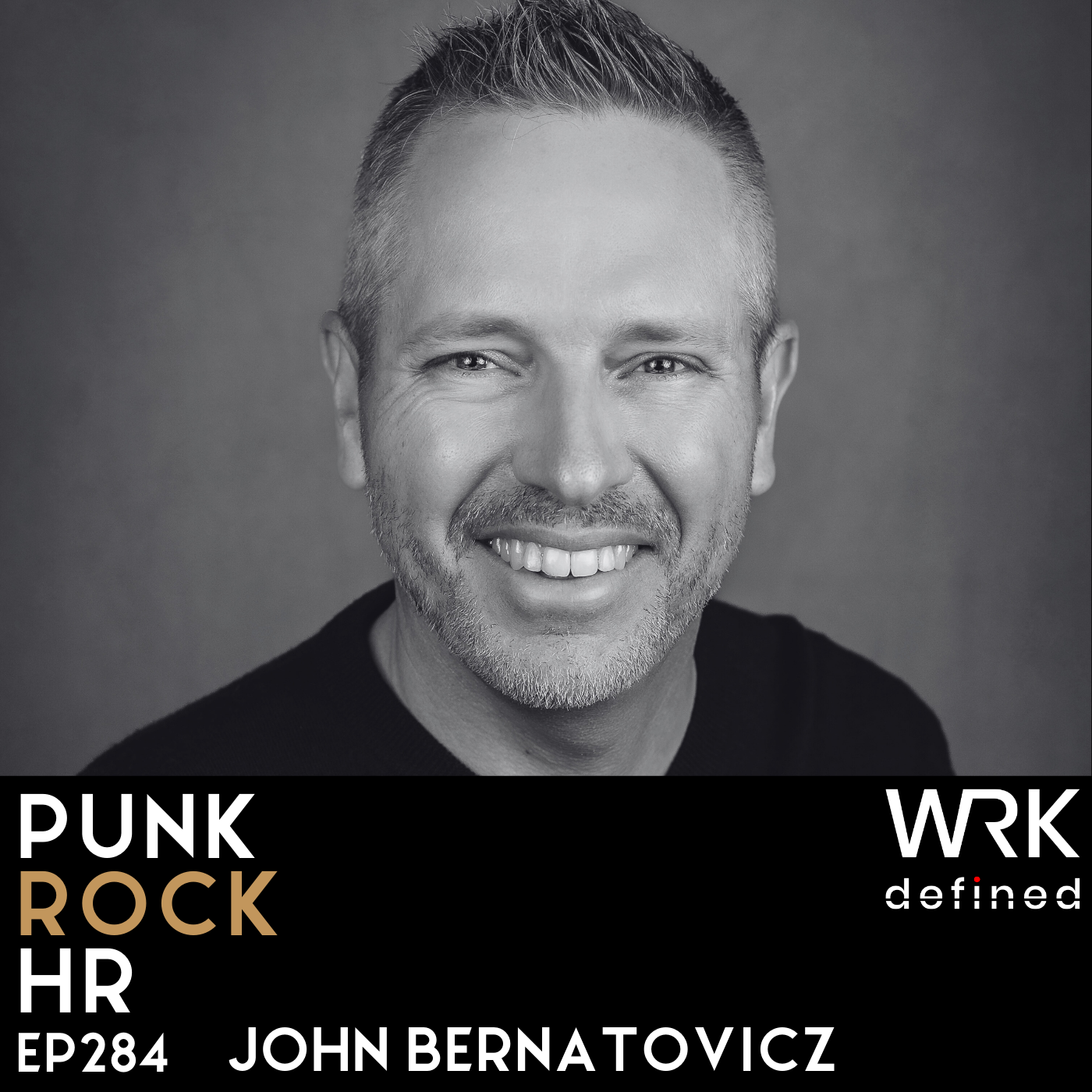
  • 284: HR Like a Boss with John Bernatovicz

    284: HR Like a Boss with John Bernatovicz

    In this episode of Punk Rock HR, Laurie welcomes John Bernatovicz, who shares the journey of his multifaceted life, emphasizing how his personal values guide him through the unpredictable world of business and family. From his son’s budding career in landscape design to his daughter’s artistic pursuits, John’s deep familial ties are as foundational as his passion for golf, which has been a staple since childhood. His candid stories reveal how strong faith weaves through his life, shaping everything from personal growth to leadership.

    Laurie and John’s conversation then shifts gears to the transformative power of human resources within workplace culture, inspired by Laurie’s book “HR Like a Boss.” They discuss the significant role HR plays in shaping purpose-driven organizations that prioritize social responsibility and employee well-being alongside profitability. With insights on the triple bottom line, Laurie and John examine real-world examples like TOMS Shoes and the philanthropic journeys of Bill Gates and Warren Buffett. This episode shines a light on the often-overlooked contributions of HR professionals who tirelessly cultivate positive work environments.

    Finally, Laurie and John address the need for a cultural shift in business leadership, particularly focusing on the gaps in traditional management training. By emphasizing empathy, curiosity, and compassion, they advocate for a new approach where managers are equally accountable for human relationships and financial outcomes. John’s story of founding Willory during a recession becomes a powerful lesson on resilience and the importance of community-building.

    As technology and social media continue to reshape our interactions, Laurie and John underscore the value of focusing on personal wellness for a rewarding and meaningful career.

    In this episode, you will hear:

    • John Bernatovicz on balancing faith, family, and business
    • Exploration of HR’s transformative role in workplace culture
    • Importance of empathy, compassion, and curiosity in leadership
    • Challenges of traditional management training and its gaps
    • The significance of a purpose-driven approach in business
    • Predictions on the future of workplace culture and community
    • John’s insights on resilience and community-building from founding Willory

    Resources from this Episode

    Follow and Review:

    We’d love for you to follow us if you haven’t yet. Click that purple ‘+’ in the top right corner of your Apple Podcasts app. We’d love it even more if you could drop a review or 5-star rating over on Apple Podcasts. Simply select “Ratings and Reviews” and “Write a Review” then a quick line with your favorite part of the episode. It only takes a second and it helps spread the word about the podcast.

    Powered by the WRKdefined Podcast Network.


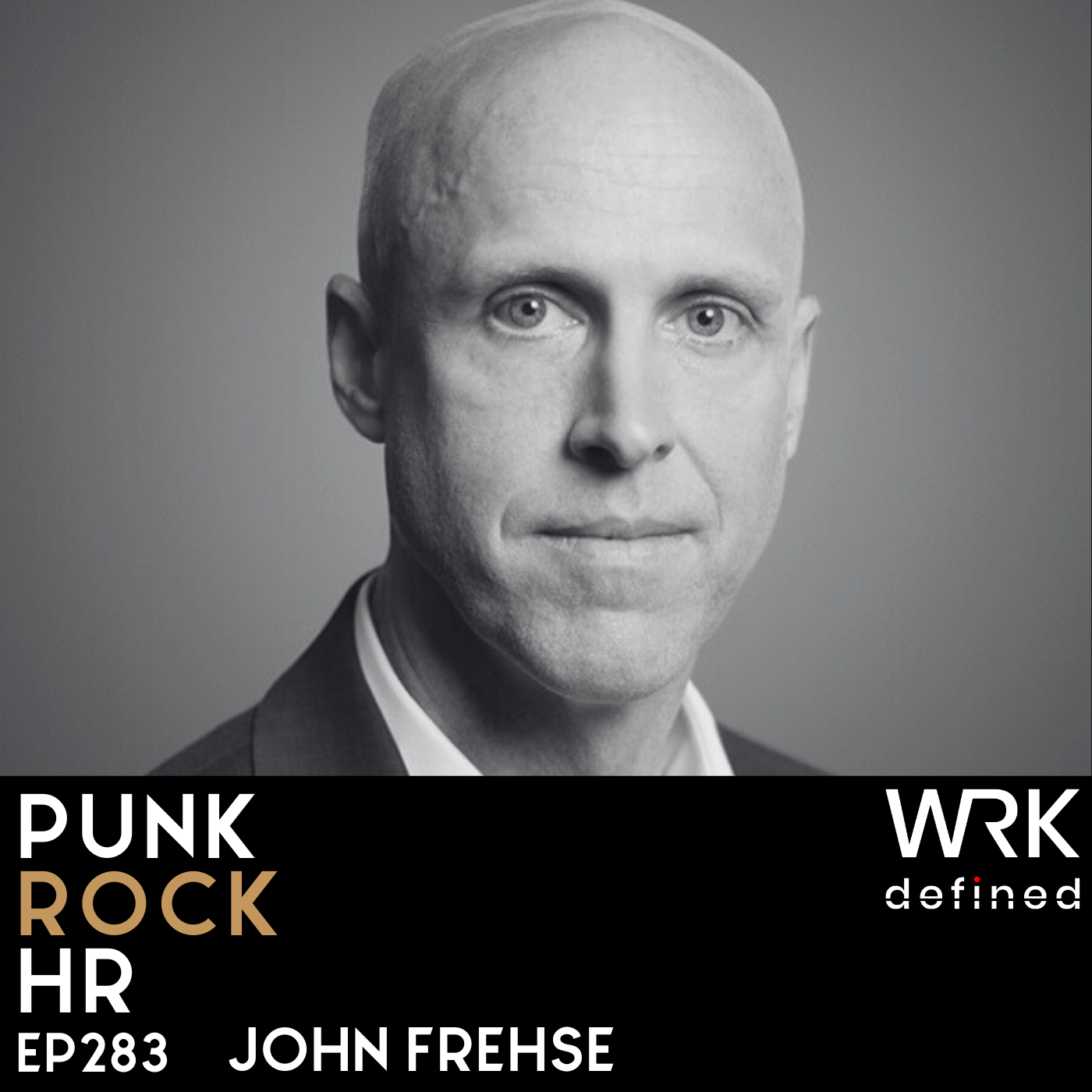
  • 283: John Frehse is Obsessed With Work

    283: John Frehse is Obsessed With Work

    What if the key to transforming your organization lies hidden within the voices of those you might be overlooking?

    In this episode of Punk Rock HR, John Frehse, a leader in global labor strategies at Ankura, is Laurie’s guest. Dressed to impress for the Journalism Freedom Awards, John brings a wealth of experience and a tuxedo to our discussion on the critical role of aligning labor strategies with both employee and organizational needs. From tackling employee burnout to navigating the complexities of financial distress and rapid growth, John shares actionable insights that promise to reshape how we think about workforce engagement.

    Throughout our conversation, we spotlight the unsung heroes of society—frontline workers. Often undervalued despite their pivotal roles, these workers hold the potential for enhanced performance and recognition when they feel truly heard. With anecdotes from factory floors and reflections on the journey from finance to labor consulting, we challenge the status quo and echo Viola Davis’s call for appreciation of all workers. We question the entrenched perceptions that leave frontline workers in the shadows and explore the ripple effect of listening and acknowledgment in driving positive change.

    Laurie and John’s conversation uncovers the challenges facing today’s HR professionals in a world of evolving workforce management, where personal experiences meet broader economic policies and social justice issues. We explore the tension between corporate values and business realities, encouraging HR leaders to step into the fray and wield their power through genuine listening. With humor and camaraderie, we wrap up by reminiscing about workplace banter and friendship, illustrating how authentic connections can shape our careers and organizations.

    Join us for a candid episode filled with laughter, gratitude, and a shared vision for a more inclusive and dynamic workforce.

    In this episode, you will hear:

    • Discussion on labor strategies and improving workforce conditions with John Frehse
    • Exploration of the critical role and recognition of frontline workers
    • Insights into balancing company needs with employee well-being to reduce burnout
    • Analysis of the interplay between economic policies, social justice, and workforce management
    • Examination of the transformative power of listening and acknowledgment in workplaces
    • Candid reflections on societal perceptions and undervaluation of frontline workers
    • Consideration of corporate authenticity and the impact of humor and friendship on workplace dynamics

    Resources from this Episode

    Follow and Review:

    We’d love for you to follow us if you haven’t yet. Click that purple ‘+’ in the top right corner of your Apple Podcasts app. We’d love it even more if you could drop a review or 5-star rating over on Apple Podcasts. Simply select “Ratings and Reviews” and “Write a Review” then a quick line with your favorite part of the episode. It only takes a second and it helps spread the word about the podcast.


  • Q4 Job Search Tips from Laurie Ruettimann

    the great wave of kanagawa job search tips image

    Job hunting doesn’t take a holiday break. As the calendar inches towards January, gearing up now is smart. Here’s what I’ve been teaching for 25+ years in my role as America’s big sister and your favorite former HR lady.

    Ask for What You Want

    There’s no shame in saying, “I want a job.” Unless you were born with a silver spoon up your butt, you need to work. (And maybe even then!)

    Consider using LinkedIn’s ‘open to work’ feature. This feature is not a scarlet letter but a beacon for opportunity. There’s a myth that these banners don’t work. While some hiring managers and recruiters may have a bias against hiring people who are out of work, they’d have that bias against you without the banner.

    Remember, you don’t get what you don’t ask for—whether it’s a job, a meeting, or just someone’s time to chat over coffee. Stop blaming impostor syndrome, too. It’s scary for all of us, but if you’re within the sound of my voice, you can overcome that fear within you.

    Resource for you: Betting On You

    Expand the Map

    If your current circle could snag you a job, they would’ve already handed you one on a silver platter. It’s time to broaden your horizons. You can do it commando style, belly-crawling through the job market, or like a chic French spy at a high-society party.

    The simplest way to approach this task is to ask people you admire, “Who else is cool?” and ask for an introduction. You can also ask former colleagues, “Have you met someone interesting in the last twelve months? Can you make an introduction? I want to expand my network, but I also want to learn from people.” But my ultimate favorite hack is volunteering. It might not land you a job directly, but it will exercise your social muscles and take your mind off your troubles.

    Remember, networking is not just about finding a job. It’s about building connections and opportunities for the future—and others.

    Resource for you: Superconnector

    Talk Like a Human

    Corporate environments can wear us down and make us act like morons. If transitioning back to civilian life, where people wear joggers and talk about something other than KPIs, try reverting to your natural speaking style. Leave behind the corporate jargon, trendy buzzwords, and coded language.

    The best way to communicate during and after your job search is to use simple words and phrases you would use at the grocery store, the dry cleaner, or when talking to the cashier at Target.

    Remember, you won’t be able to ask for a job if no one can understand what you’re saying.

    Resource for you: Think Faster, Talk Smarter

    Avoid the Time-Suck

    Job boards are the job seeker’s reality TV—addictive, with duplicative content, and a massive time-waster. Why go on LinkedIn, Indeed, ZipRecruiter, Monster, FlexJobs, Snagajob, and the 100 other sites? They all have the same jobs. That’s called the law of diminishing returns.

    Instead, think strategically about your search and your time. Michael Hyatt nailed it: “What gets scheduled, gets done.” Limit your job-hunt screen time to no more than two two-hour sessions a day.

    Remember, your mind needs rest and time away from the screen. Trust me, your brain will thank you.

    Resource for you: Deep Work

    Find Your Heroes

    Seek inspiration from those you admire. Explore your hero’s LinkedIn profile, learn from the strategies that led them to success, and reach out to them. Imitation isn’t just flattery—it’s a smart strategy. While online, identify your business icons, subtle mentors, and influencers. Observe how they manage their time, ask for their advice, and adopt the effective practices they employ.

    Next, revisit the beginning of this process: contact them, clearly state your request (whether it’s a meeting or advice), and expand your network by connecting with them. Use straightforward language and ask for what you want: advice, job leads, inspiration, or just words of encouragement.

    Resource for you: How to Talk to Anyone: How to Charm, Banter, Attract

    Now, Find a Job

    Remember, relationships often open doors to new jobs, especially if you’re experienced. This post has shown you that while job searching might feel transactional, injecting sincerity and humanity into your interactions is crucial. And you shouldn’t stop the search in the year’s fourth quarter. Getting a job is possible if you take a more thoughtful approach.

    And when you finally land that job, remember your challenges and strive to improve the process for others. Use your experience to make a positive impact. Let’s make the job search less daunting for everyone!

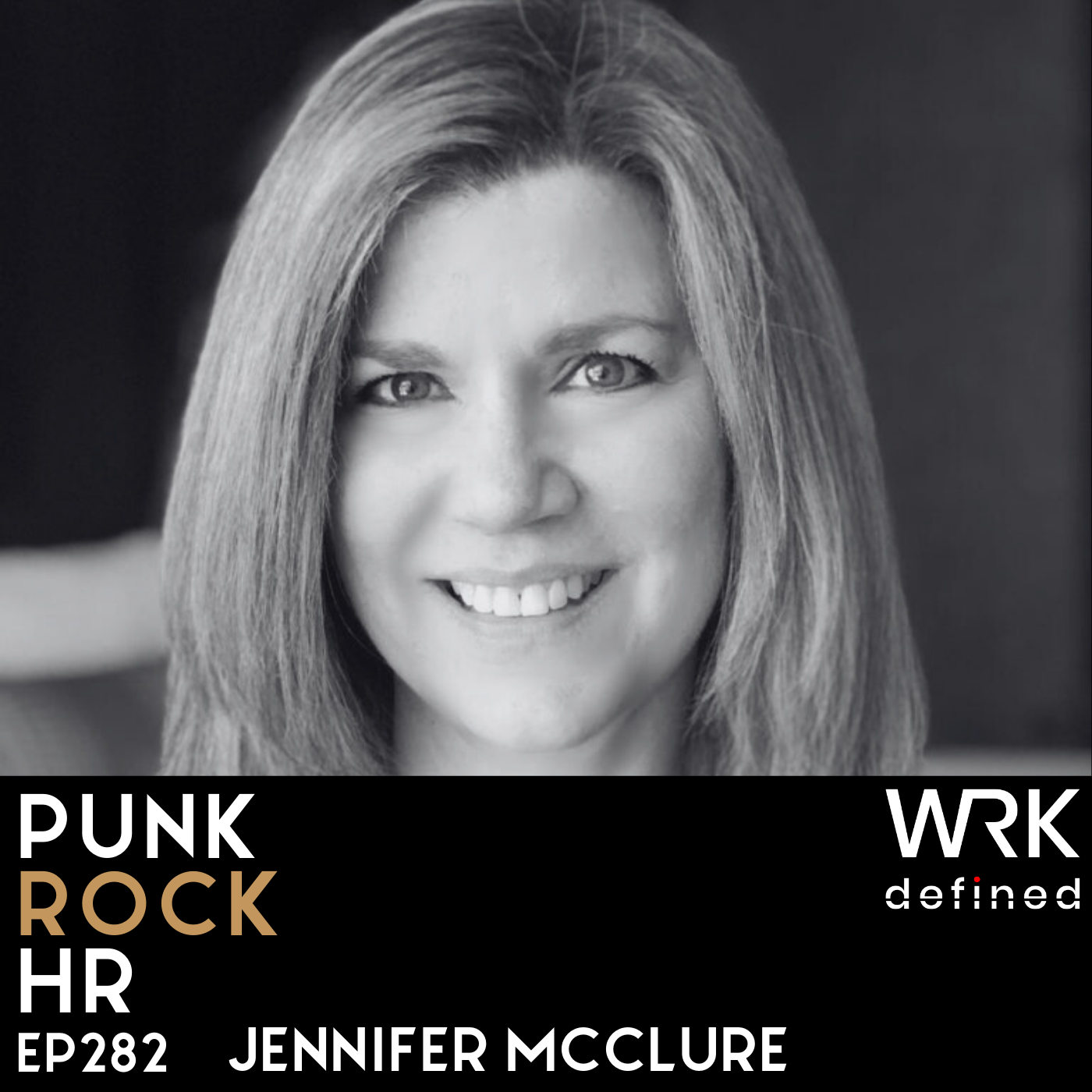
  • 282: Jennifer McClure & The Defense Business Board

    282: Jennifer McClure & The Defense Business Board

    Have you ever received a voicemail you thought was spam, only to discover it was a once-in-a-lifetime opportunity? Jennifer McClure did, leading her to a pivotal role on the Defense Business Board.

    In this episode of Punk Rock HR, Jennifer shares her remarkable journey into the heart of the Department of Defense, where she navigates the unique challenges of managing talent in a vast organization that rivals the size of a major city. Despite the financial contrasts with the private sector, her story is one of passion for meaningful work and triumph over imposter syndrome, all while rubbing shoulders with accomplished figures and even a few unexpected celebrities.

    Jennifer also opens up about her political evolution, revealing how recent political climates have led many, especially women and Christians, to reevaluate their political affiliations. Her candid reflections reveal the complexities of reconciling personal faith with political choices and the shifting perspectives within traditionally conservative circles. Tune in for a conversation that underscores the importance of leadership and character over party lines while offering a glimpse into Jennifer’s aspirations for a leadership choice that appeals to the nation’s better angels.

    Throughout the episode, we tackle the role of the Department of Defense in global challenges such as cybersecurity and international cooperation. Jennifer provides an insider’s view of the intricate balance between government and private sector practices, emphasizing the need for collaboration to drive impactful change. From managing a workforce like no other to handling the unpredictability of political transitions, her insights offer a captivating look at the dedication required to serve in government roles.

    Join us for a thought-provoking discussion filled with personal anecdotes, expert insights, and a touch of humor that promises to leave you both informed and inspired.

    In this episode, you will hear:

    • Jennifer McClure’s journey and experiences with the Defense Business Board and the Department of Defense
    • Navigating public service roles and the balance between private sector opportunities and meaningful government work
    • Shifts in political engagement and values among conservatives, especially women and Christians
    • The Department of Defense’s multifaceted roles, including military and non-military activities like hurricane relief
    • Challenges of implementing change within the Department of Defense, influenced by political cycles and leadership transitions
    • Jennifer’s path to board membership and encounters with prominent figures
    • Global interconnectedness, U.S. defense priorities, and cybersecurity challenges

    Resources from this Episode

    Follow and Review:

    We’d love for you to follow us if you haven’t yet. Click that purple ‘+’ in the top right corner of your Apple Podcasts app. We’d love it even more if you could drop a review or 5-star rating over on Apple Podcasts. Simply select “Ratings and Reviews” and “Write a Review” then a quick line with your favorite part of the episode. It only takes a second and it helps spread the word about the podcast.

    Powered by the WRKdefined Podcast Network.

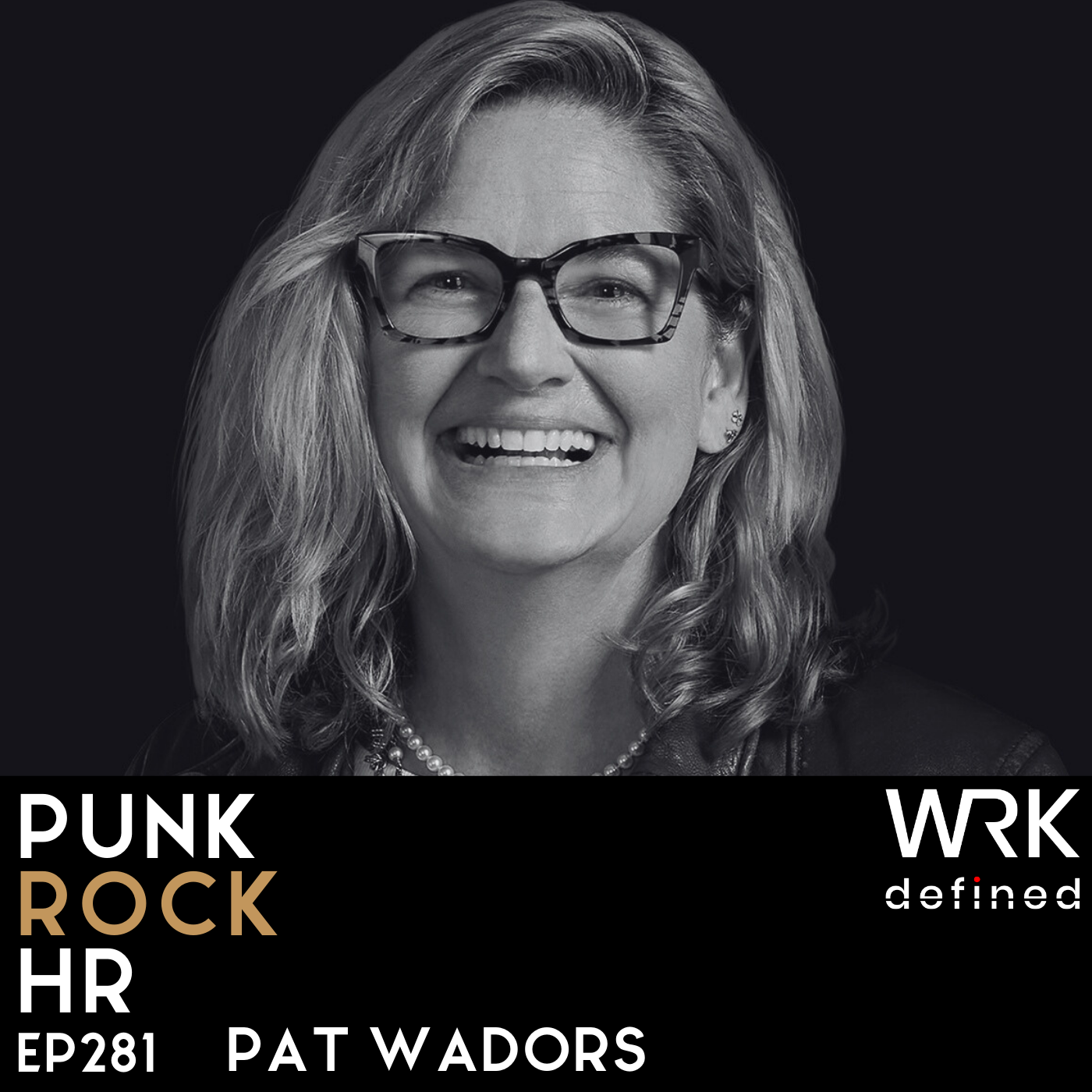
  • 281: CHRO and Author Pat Wadors

    281: CHRO and Author Pat Wadors

    Pat Wadors, an expert in human resources and veteran CHRO, joins Laurie on Punk Rock HR to share the path from discovering a passion for human resources at age 19 to leading workplace cultures at giants like LinkedIn and UKG.

    Prepare to be inspired as Pat unpacks her insights into the critical role of managers in safeguarding employee well-being and the power of aligning corporate promises with reality. With stories from her tenure at LinkedIn and ServiceNow, Pat highlights how a commitment to culture and development can drive impressive business outcomes. Her vision for the future of HR prioritizes talent, leadership, and mental health, offering a roadmap for anyone eager to build healthy, high-performing workplaces.

    Navigating the dynamic landscapes of organizational change and growth, we explore the challenges and rewards of aligning leadership with a company’s maturity curve. Pat emphasizes fostering inclusion and belonging as we consider the human cost of leadership transitions and cultural shifts. The conversation takes a creative turn, discussing using fables and folktales, like the story of Mulan, to impart valuable HR leadership lessons. Through this unique lens, we reflect on authenticity and the journey of learning from imperfections to lead effectively.

    This episode is a treasure trove of wisdom and insight for those passionate about transforming the workplace into a more inclusive and effective environment.

    In this episode, you will hear:

    • Pat Wadors’s journey in HR, from discovering her passion at 19 to leading transformative cultures at LinkedIn and UKG
    • Managers’ role in employee well-being and aligning corporate promises with reality
    • Insights on navigating organizational change, emphasizing inclusion, belonging, and aligning leadership with a company’s maturity curve
    • The use of fables and folktales, such as Mulan, to teach HR leadership lessons
    • The importance of authenticity and learning from imperfections
    • Pat Wadors’s new book, “Unlocking Your Leadership Story,” which uses fables to impart leadership lessons
    • Driving change within traditional corporate structures and striving for high-performing, inclusive workplaces
    • Fostering diverse perspectives to create better business outcomes
    • The human cost of leadership transitions and cultural shifts

    Resources from this Episode

    Follow and Review:

    If you haven’t yet, we’d love for you to follow us. Click that purple ‘+’ in the top right corner of your Apple Podcasts app. We’d love it even more if you could drop a review or 5-star rating on Apple Podcasts. Simply select “Ratings and Reviews” and “Write a Review,” then a quick line with your favorite part of the episode. It only takes a second, and it helps spread the word about the podcast.

  • The Strategic Advantage: Using a Premortem for Interviews, Job Decisions, and Salary Talks

    Preparing for an interview, making a major job decision, or negotiating a salary can feel like walking through a minefield. But there’s a tool you probably haven’t considered for your professional career: the premortem. 

    I’ve written extensively about the premortem all over the internet. It’s included in nearly all of my LinkedIn Learning courses. I dedicate a section of my book to how I failed to turn the premortem into a technology platform. (I think that’s irony.) But if you’re new here, a premortem lets you think about everything that could go wrong before it happens. It’s a way to prevent those “I should’ve seen this coming” moments and be ready for anything. 

    Here’s how to use it to own these crucial career moments.

    Interview Prep: Think of What Could Go Wrong—Then Fix It

    Step one: Define the interview scenario. You need specifics. What’s the job? Who’s interviewing you? Is it virtual, in-person, or a panel? The more you know, the more you can control.

    Now, imagine you bombed the interview. Don’t just picture it vaguely—get into the nitty-gritty. Did you stumble over basic questions? Were you unable to connect with the interviewers? Did you feel unprepared? Write down everything that could go wrong.

    Next, ask yourself: What would’ve caused these failures? Maybe you didn’t research the company well enough. Maybe your nerves got the best of you. Or you didn’t give specific examples of your experience.

    Now, look for warning signs. If you’re already nervous in mock interviews, that’s a red flag. If you don’t feel prepared when answering practice questions, it’s another.

    Now for the solution: dive deeper into research, practice more, and prep your responses. Mock interviews, practicing with a friend, even recording yourself—it all helps. Plan for the little things, like what you’ll wear or testing your tech setup for a virtual call. Lastly, have strategies ready to deal with nerves—deep breathing, visualization, whatever works for you.

    Finally, after doing all that heavy mental lifting, visualize success. Picture yourself walking away from the interview, knowing you crushed it.

    Using a Premortem to Evaluate a Job Opportunity

    If you’re weighing a new job, a premortem can help you avoid that “Why did I ever say yes?” regret.

    Start by clarifying the offer. Write down your role, responsibilities, culture fit, and potential career path—every detail matters.

    Now, fast forward a year. Imagine the job is a disaster. What went wrong? Maybe the culture was toxic, or the role wasn’t what you expected. Write down every reason this job could end up sucking.

    Then, look for signs you could have spotted early. Maybe the team seemed disengaged during the interview, or maybe the job description was vague. These little red flags can save you a lot of pain.

    Once you’ve listed your nightmare scenario, it’s time to plan. How can you avoid these issues? You could ask more pointed questions in the interview, reach out to current employees, or negotiate more straightforward job responsibilities.

    After that, weigh the pros and cons. Look at each possible problem and solution, then decide if it’s worth taking the risk.

    Lastly, don’t stop once you’ve accepted the job. Keep the premortem in mind and check in with yourself as time passes. If you spot any early issues, tackle them head-on before they become full-blown disasters.

    Salary Negotiation: Get Ready to Fight for Your Worth

    Salary negotiations can be stressful, but a premortem helps prevent surprises. Here’s how to use it to prepare.

    Start by defining the scenario. What’s your target salary? What’s the industry standard? What benefits do you want to negotiate? Be specific.

    Now, imagine the negotiation goes sideways. You didn’t get the salary bump you wanted, or worse, you felt pushed into accepting a number you’re unhappy with.

    Why did it go wrong? Maybe you didn’t do enough research on the company’s budget. Maybe you didn’t clearly explain your value. Or perhaps you weren’t flexible enough in your asks.

    Look for warning signs. If the recruiter dodges questions about salary, that could signal trouble ahead. Or if you’ve felt uncertain about your value going in, that’s another problem.

    Now, create your strategy. Research salary benchmarks thoroughly. Prepare to explain precisely why you’re worth the number you’re asking for. If salary becomes a sticking point, be ready to negotiate other perks like bonuses, remote work, or more PTO.

    Finally, have a backup plan. What will you do if things don’t go as planned? Decide in advance how much you’re willing to compromise or whether you’d walk away from the offer.

    After the negotiation, review how it went. Did you get what you wanted? Did your preparation pay off? This reflection will only make you better in the future.

    Final Thoughts

    A premortem helps you anticipate failure and gives you the tools to succeed. Whether preparing for an interview, making a job decision, or negotiating salary, this approach forces you to think critically and prevent problems before they derail your career moves. Be prepared, be strategic, and most importantly, be ready to crush it.
     

  • Let’s Fix Work Together: Laurie Ruettimann’s 2024 Services

    Whether you need to fine-tune your HR tech strategy, navigate career changes, or launch a podcast, my services are designed to help you solve real problems at a reasonable price.

    I’ve spent my career challenging the status quo and making work better for everyone. Now, I’m offering that expertise to you. Ready to get unstuck and move forward? Here’s how we can work together.

    Technology Product or Service Discussion for #HRTech and #WorkTech Organizations

    In this 50-minute session, we’ll analyze your product, identify opportunities, and craft a strategic plan for success. Perfect for companies ready to elevate their efforts and take results to the next level.
    Book your session

    Content and Social Media Amplification

    Looking to amplify your product or service through targeted content and social media exposure? We’ll discuss your needs and create a custom strategy to boost visibility and engagement with your target audience.
    Contact me for details

    Executive Coaching

    Tailored for leaders looking to refine decision-making, improve strategic thinking, and foster self-leadership. Together, we’ll work on making you happier and more effective personally and professionally. Your employer will often pay for this, so let’s discuss it. Schedule a free 15-minute consultation to see how we can work together.
    Schedule a consultation

    “I Need a Job” Coaching

    This four-session coaching package is designed for professionals at all stages of their careers up to the Senior Director level. It includes personalized coaching and my behind-the-scenes work on optimizing your resume, communication strategy, and positioning. Together, we’ll ensure you’re fully prepared to find the right job—not just any job.
    Book now

    “Start a New Podcast” Coaching

    In this 50-minute session, I’ll help you define your niche, launch your first episode, and set up a sustainable plan for success. Whether you’re just starting or refining an existing podcast, we’ll cover everything you need to know.
    Get started

    “Becoming a Consultant” Coaching

    Ready to leap into consulting? Not so fast. In this one-time 50-minute session, we’ll discuss branding, client acquisition, pricing, and more—giving you the tools to build a successful consulting practice.
    Book now

    “My Career Sucks” Session

    This one-time, 50-minute session is for anyone feeling stuck or unsure about their next steps. Let’s solve specific problems and create a clear plan to move forward.
    Let’s talk

    “I Just Got Laid Off” Session

    If you’ve lost your job in the past six months, this one-time, 50-minute session offers immediate support and actionable advice to stabilize and plan your next steps. Note: This session is provided depending on my availability. All proceeds go to charity.
    Price: $25 donation to charity
    Book your session


    Ready to Work Together?

    If you’re ready to take the next step in fixing work, improving your career, or making a fundamental change in your organization, I’m here to help. Let’s work together to make things better. These prices are valid through December 31, 2024.

    Work with me