
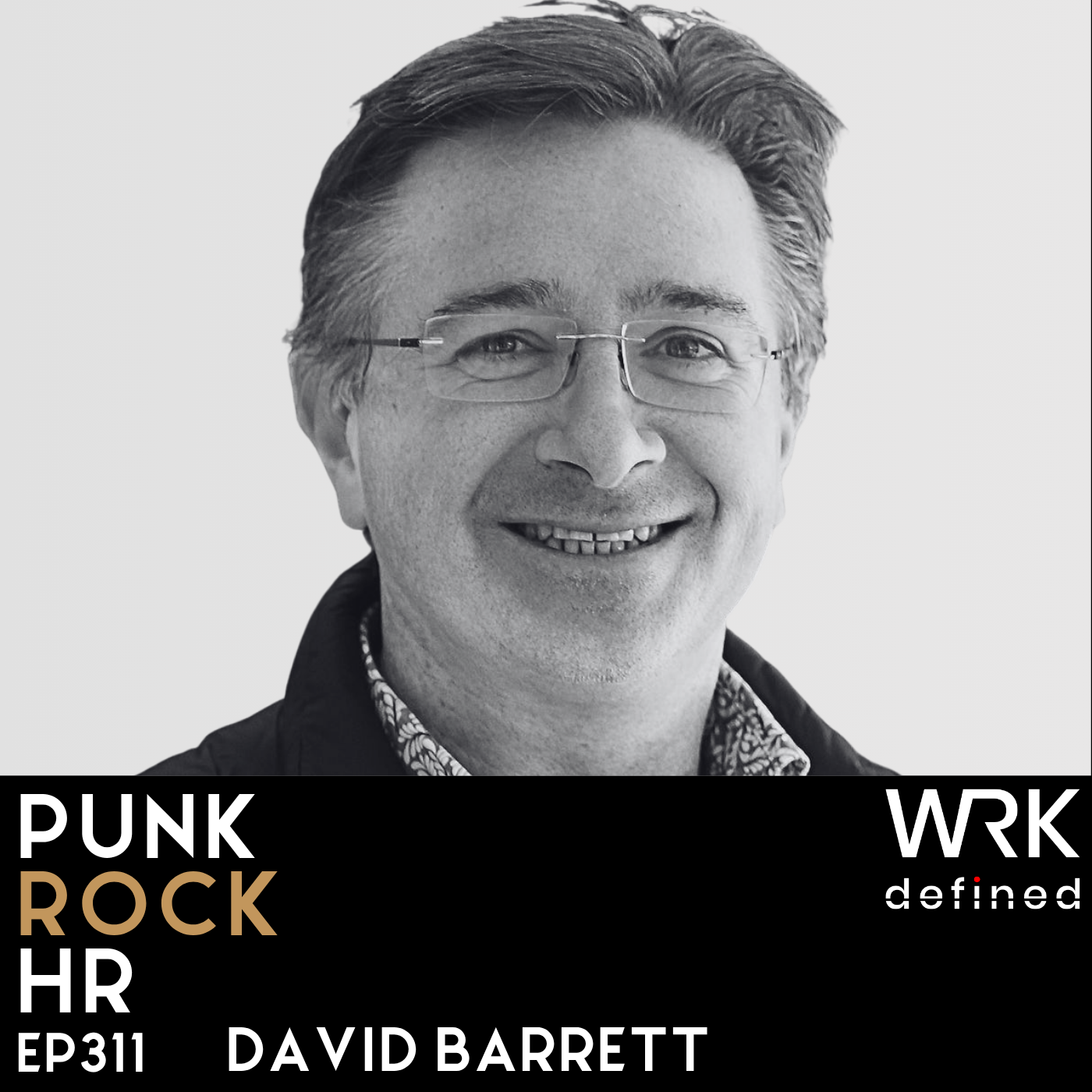
David Barrett grew up watching his father make gravestones, run a late-night fast-food joint, and deal in licensed firearms out of the same rural Irish town. He called it “food-to-grave services.” What David took from it was: there are a lot of ways to make a living, and the best ones involve getting out and meeting people. That conviction eventually led him away from writing psychology reports by hand and toward building Welliba, a platform that measures workforce sentiment and organizational health using publicly available data.
Most HR leaders already believe that taking care of people is good for business. What’s been harder is walking into a budget meeting and showing exactly where your organization stands against your competitors, in real time, with data that doesn’t require months of consulting work to produce.
Welliba ran its platform across the entire S&P 500 over six consecutive years, scoring organizations on two dozen factors of workforce experience using public data: employee commentary, analyst coverage, academic papers, public forums. The companies with strong employee experience scores significantly outperformed their peers. Not slightly. Enough to matter to a CFO.
The finding that cuts deepest is what actually drove that performance. It wasn’t compensation. It wasn’t flexible working. And it wasn’t technology adoption. It was the quality of relationships between people at every level of the organization. Leaders, managers, and frontline workers who understood each other and communicated well. That still outpredicted everything else, even as AI reshaped workflows and companies pushed hard on efficiency ratios.
Then there are the companies winning economically while their workforce experience scores are poor. David calls them Unhappy Performers. He’s careful about the nuance, and it’s worth sitting with. Some of these organizations are genuinely strong in certain areas. But the longer the data runs, the harder it is to make the case that it’s sustainable.
HR leaders have been making the intuitive argument for caring about people for a long time. David makes the evidence-based argument that they’ve been in the right place.
In this episode, you will hear:
- What six years of S&P 500 data shows about the relationship between employee experience and business performance
- Why the strongest predictor of high performance isn’t compensation, technology, or flexible work
- What companies that are profitable but struggling with workforce experience look like in the data, and whether that model holds long term
- Why most pandemic-era people investments were never properly validated, and what that means for HR credibility now
- What Unhappy Performers are and why the term might be more optimistic than it sounds
- Why the manager and coworker relationship still outpredicts perks, programs, and benefits when it comes to employee experience
Resources from this episode
- Welliba’s S&P 500 EX Research: https://www.welliba.com/excelerate-sp500-key-insights
- Connect with David Barrett on LinkedIn: https://www.linkedin.com/in/davidbarrettireland
Follow and Review:
We’d love for you to follow us if you haven’t yet. Click that purple ‘+’ in the top right corner of your Apple Podcasts app. We’d love it even more if you could drop a review or 5-star rating over on Apple Podcasts. Simply select “Ratings and Reviews” and “Write a Review,” then add a quick line with your favorite part of the episode. It only takes a second, and it helps spread the word about the podcast.

You must be logged in to post a comment.