
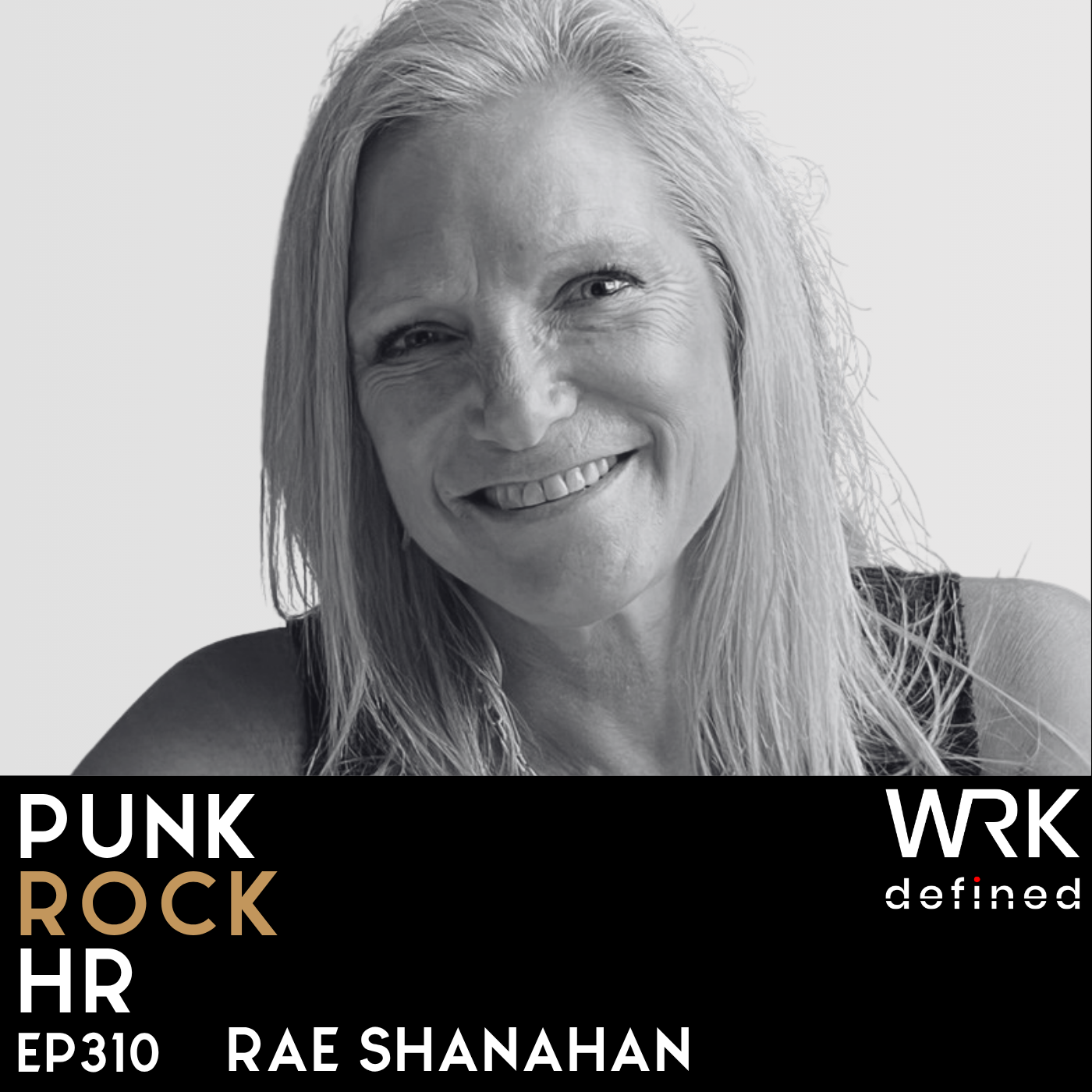
Twenty-six years in benefits gives you a particular kind of clarity. Rae Shanahan knows what the industry got right, and she’s direct about what it got wrong. Now Chief Strategy Officer at Businessolver, she comes to this conversation with research and the research tells a story most HR teams aren’t ready to hear.
Businessolver’s annual benefits report makes a pointed argument: the industry has been optimizing for the wrong thing. Personalization assumes the employee already knows what to ask. Most consequential benefits moments don’t arrive as tidy queries. They arrive as a sick kid, a declined card, or an ER bill that most employees aren’t financially prepared to absorb. That’s financial fragility, and HR keeps managing it like a paperwork problem.
What Rae is pushing for is anticipation. Using what’s already known about an employee’s demographics, income, and life stage to surface what they’ll need before they know to ask. Her example: an employee approaching retirement who isn’t thinking about COBRA yet because they’re thinking about how they’ll spend their time. A system that gets there first is doing something categorically different from one that waits for a search query.
The report also surfaces a significant literacy gap between white-collar and hourly workers. Rae doesn’t frame it as a communication failure. The system was built for workforces with time and financial capacity, and everyone else has been asked to adapt.
The future she describes looks less like spreadsheets and more like counseling. Human judgment at the moments when data alone won’t do it.
In this episode, you will hear:
- Why personalization only works after an employee already knows what they need
- What anticipatory benefits design looks like in practice
- Why financial fragility keeps getting treated as a literacy or plan design problem
- How Businessolver’s AI assistant Sofia handles after-hours employee questions
- Why benefits managers measure success by quiet, and what they miss when they do
- Why counseling and social work skills may matter more than spreadsheets for the next generation of benefits professionals
- Why healthcare cost structures have to change for employer-sponsored benefits to remain viable
- How to think about AI in benefits as a helper rather than a fixer
Resources from this episode
- Businessolver Benefits Insights Report: https://businessolver.com/benefits-insights/
- Connect with Rae Shanahan on LinkedIn: https://www.linkedin.com/in/raeshanahan/
- Connect with Businessolver on LinkedIn: https://linkedin.com/company/businessolver
Follow and Review:
We’d love for you to follow us if you haven’t yet. Click that purple ‘+’ in the top right corner of your Apple Podcasts app. We’d love it even more if you could drop a review or 5-star rating over on Apple Podcasts. Simply select “Ratings and Reviews” and “Write a Review,” then add a quick line with your favorite part of the episode. It only takes a second, and it helps spread the word about the podcast.

You must be logged in to post a comment.