Month: August 2023

  • Tackling Substance Misuse in the Workplace: A Guide

    Tackling Substance Misuse in the Workplace: A Guide

    Substance misuse in the workplace is a topic that often gets overlooked or stigmatized.

    However, it’s an issue that demands our attention, as it affects the individuals struggling and the organization’s overall health.

    This blog post will explore how to address this challenge through education, innovative strategies, and creating supportive environments.

    We will also introduce you to Cheryl Brown Merriwether, an executive leader and certified coach who is bridging the gap between organizations and those in recovery.

    Substance Misuse in the Workplace: The Issue at Hand

    Cheryl Brown Merriwether, a renowned expert in addiction and recovery education, points out that substance misuse in the workplace is more common than many people realize. According to Brown Merriwether, approximately 70% of individuals struggling with substance use disorders are employed full- or part-time. This indicates that many professionals grapple with these challenges, underscoring the need for understanding and addressing this issue in professional settings.

    Substance misuse can manifest in many forms – from alcohol to illicit drugs, prescription medications, and even behavioral addictions like gambling or shopping. It’s important to note that these behaviors often stem from a desire to cope with stress, anxiety, or other mental health issues, further highlighting the importance of comprehensive mental health management in the workplace.

    Reclassification of Substance Use Disorders: A Step Towards Destigmatization

    One significant development in recent years is the reclassification of substance use disorders. Previously categorized simply as “addiction,” the term “substance use disorder” is now widely used to denote this as a chronic brain disease, acknowledging the complex physiological factors at play.

    This shift in language is more than just semantics. It plays a crucial role in destigmatizing addiction, emphasizing the medical nature of the condition rather than casting it as a moral failing or weakness of character. This perspective fosters a more compassionate, understanding approach to dealing with substance misuse in the workplace.

    The Role of Workplace Culture in Addressing Mental Health

    Workplace culture can significantly influence how mental health and substance misuse are managed. A supportive, open culture can encourage individuals to seek help without fear of judgment or repercussions. Conversely, a stigmatizing or dismissive culture can deter people from reaching out, exacerbating the problem.

    Organizations can foster a supportive environment by establishing affinity groups or employee resource groups. These provide a safe space for employees to discuss their experiences, share resources, and offer mutual support. Additionally, measuring the effectiveness of these programs with data can improve the overall employee experience, morale, and retention.

    Innovative Strategies for Mental Wellness in the Workplace

    Addressing mental health and substance misuse in the workplace requires innovative, multi-faceted strategies. One approach gaining traction is using education to raise awareness and dispel misconceptions surrounding these issues.

    Programs like Project Opioid and ICARE have shown promising results in this area. By offering training to frontline managers and HR practitioners, these initiatives empower employees with the knowledge to recognize and address substance misuse in the workplace. Moreover, they highlight the potential of interagency partnerships and the transformative power of education in effecting tangible change.

    Addressing substance misuse in the workplace is a complex issue that requires understanding, empathy, and innovative strategies. By fostering supportive workplace cultures, leveraging education, and implementing evidence-based interventions, organizations can contribute to the well-being of their employees while promoting a healthier, more productive work environment. The road ahead may be challenging, but the potential benefits for individuals and organizations make it a journey worth embarking on.

    If you want to learn more about Corporate Drinker, check out https://laurieruettimann.com/corporate-drinker-257.

  • 258: Recovery Mindset with Bryan Wempen

    258: Recovery Mindset with Bryan Wempen

    Today, on The Corporate Drinker, Laurie invites you on an extraordinary journey of bravery, resilience, and self-discovery with her guest, Bryan Wempen.

    With an openness that is at once jarring and inspiring, Bryan translates his personal battles with alcohol addiction into a narrative that brings to light the often unaddressed issue of substance abuse in the corporate world. We dive head-first into the murky waters of his past, tracing the path from his early days of drinking to his arduous journey to recovery, exposing the power of a recovery mindset, self-compassion, and kindness. 

    Their conversation takes a powerful turn as we dissect the correlation between work culture and alcohol. Through Bryan’s eyes, we explore the changing landscape of professional behavior in the age of social media and the increasing visibility of substance abuse. He shares his revelations during recovery meetings and highlights the importance of managing negative emotions and staying committed to the mission for a better, healthier work environment.

    In the final part of their conversation, Bryan introduces us to his work with CHESS Health and how it fits into his mission to help those in recovery. He talks about his upcoming book, “Fuck My Demons: A Next Chapter in Recovery,” and the role writing played in his journey to self-improvement. His commitment to doing the right thing while caring for himself and his family, along with his perspectives on tolerance, is nothing short of inspirational. 

    Tune in as we celebrate the power of second chances and the companions who challenge, support, and spur us on our journey to self-discovery and growth.

    In this episode, you will hear:

    • Bryan Wempen’s journey from alcohol addiction to recovery and the impact of work culture on substance abuse
    • The correlation between work culture and alcohol and the increasing visibility of substance abuse due to social media
    • Bryan’s experiences and revelations from recovery meetings and why managing negative emotions and committing to a healthier work environment is crucial
    • His work with CHESS Health, aimed at helping individuals in recovery, and his upcoming book “Fuck My Demons: A Next Chapter in Recovery”
    • The power of writing in Bryan’s recovery and self-improvement journey
    • Corporate drinking culture and its implications for workplace wellness strategies
    • Bryan Wempen’s commitment to tolerance, self-care, and making a positive impact through his work and lifestyle

    Resources from this Episode

    Connect with Bryan Wempen on LinkedIn: www.linkedin.com/in/bryanwempen 

    Find Bryan on Twitter: twitter.com/bryanwempen

    Get Bryan Wempen’s Books: amzn.to/3q8zmLn 

    Follow and Review:

    We’d love for you to follow us if you haven’t yet. Click that purple ‘+’ in the top right corner of your Apple Podcasts app. We’d love it even more if you could drop a review or 5-star rating over on Apple Podcasts. Simply select “Ratings and Reviews” and “Write a Review” then a quick line with your favorite part of the episode. It only takes a second and it helps spread the word about the podcast.

  • Navigating the Corporate World: Balancing Professional Success and Personal Values

    Navigating the Corporate World: Balancing Professional Success and Personal Values

    Navigating the corporate world can be challenging, especially when personal values clash with traditional business norms.

    The world of advertising, for example, has had its share of outdated practices that have made it difficult for individuals to maintain their personal boundaries.

    This blog post will explore these challenges and discuss ways to foster an inclusive environment, promote self-leadership, and maintain personal boundaries in the professional realm.

    And we will share the wisdom and expertise of Claude Silver, the Chief Heart Officer at Vayner X.

    Creating Healthy Workplace Boundaries

    The corporate world can be a labyrinth with unwritten rules and expectations. However, one crucial aspect of professional success is creating and maintaining healthy boundaries. For instance, there were times when strip clubs were considered an appropriate backdrop for client meetings, a practice at odds with many individuals’ personal values. Choosing to distance oneself from such practices doesn’t make you less of a professional. Instead, it signifies the importance of staying true to oneself and recognizing the unique value we each bring to the table.

    Workplace Inclusivity and Corporate Responsibility

    Creating an inclusive environment in the workplace requires a delicate balance. On the one hand, companies must foster an atmosphere where everyone feels included, regardless of their choices regarding social norms like drinking. On the other hand, promoting self-leadership means giving individuals the space to make personal decisions without feeling pressured by the company’s culture. 

    Organizations have a pivotal role in ensuring they maintain boundaries while encouraging collaboration. This means creating policies that cater to everyone’s experiences and preferences, including those who choose sobriety. A heart-centered approach to problem-solving can be helpful in this regard, considering the needs of all employees without enforcing a one-size-fits-all policy.

    Achieving Success While Preserving Personal Boundaries

    Achieving success in the corporate world doesn’t necessarily mean sacrificing personal boundaries. It’s possible to be ambitious and successful while balancing work and personal life. It’s important to remember that success is not an overnight feat. Patience and understanding that goals take time to manifest are crucial. 

    For instance, attending conferences and other professional gatherings is a common part of corporate life. However, it’s important to create healthy boundaries during these events. This can mean ensuring you’re fully hydrated and rested, limiting the time you spend away from home, or taking time for yourself amidst the busyness of the event.

    Gratitude, Relationships, and Support Networks

    Strong relationships and a good support network are crucial in managing a hectic professional life. It’s important to maintain connections with people, express gratitude, and establish healthy boundaries. Having someone to turn to when times are tough can make all the difference. A supportive network can also make life on the road more manageable, providing a sense of stability amidst constant change and movement.

    Balancing professional success and personal values in the corporate world may seem challenging, but it’s certainly achievable. The key is to stay true to oneself, foster an inclusive environment, maintain healthy boundaries, and understand that success takes time. Moreover, nurturing relationships and having a supportive network can go a long way in fostering a balanced and rewarding professional life.

    If you want to learn more about Corporate Drinker, check out https://laurieruettimann.com/corporate-drinker-256.

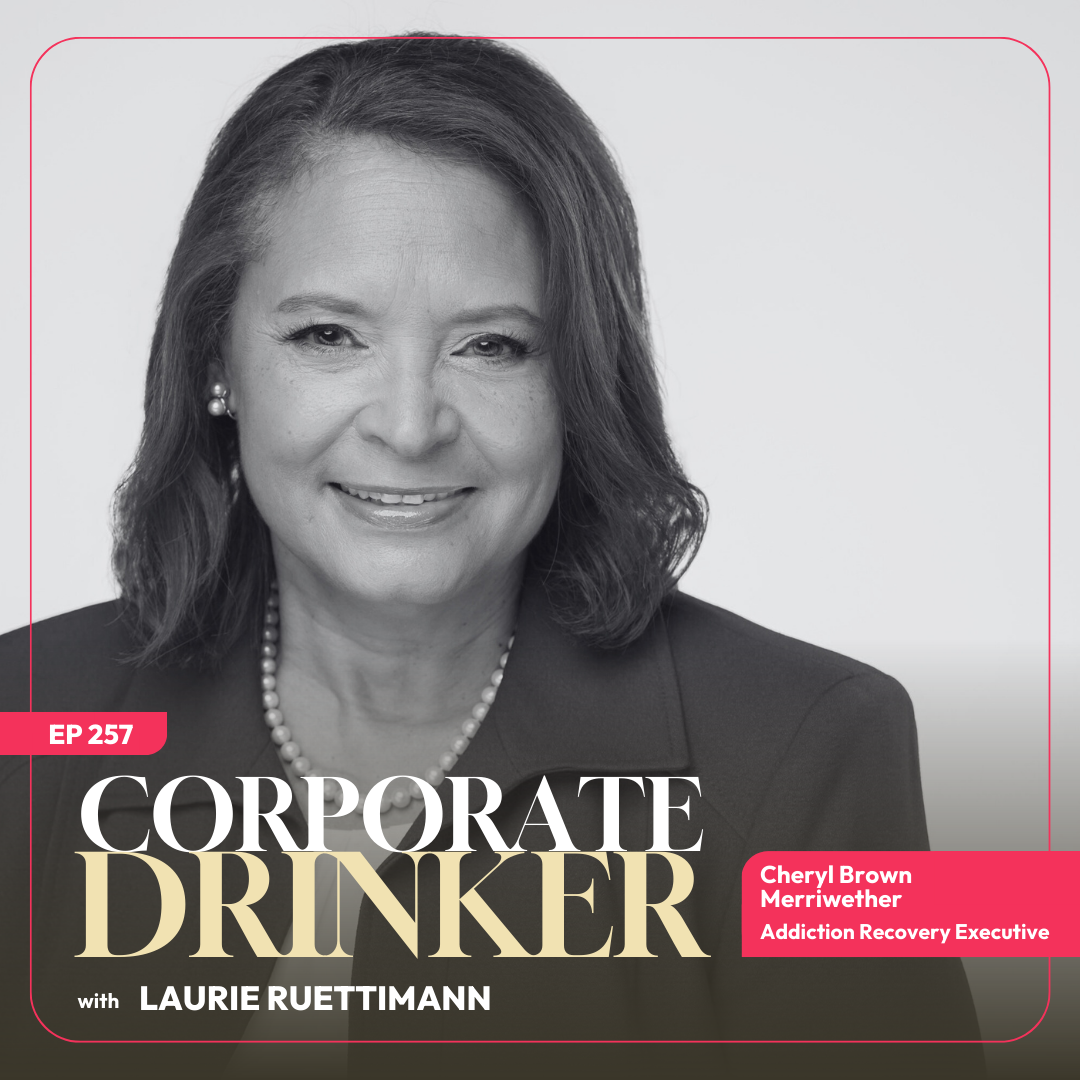
  • 257: Substance Misuse in the Workplace with Cheryl Brown Merriwether

    257: Substance Misuse in the Workplace with Cheryl Brown Merriwether

    What if we told you that the corporate world could be playing a significant role in triggering addiction and mental health issues? 

    It’s time to challenge perceptions and spark meaningful dialogues as we welcome Cheryl Brown Merriwether, Vice President and Executive Director at the International Center for Addiction and Recovery Education. With her experience in HR management, adult education, and lived experience of addiction, we uncover unsettling truths about substance misuse in the workplace and discuss the significant part we can all play in fostering recovery.

    We tread into contentious territory, examining the reclassification of substance use disorders and how our choice of language can shape the fight against addiction stigma. Cheryl provides insight into the various schools of thought and the transformative power of education in bridging these divides. We also explore the tricky area of workplace culture and its impact on employee mental health – how do businesses strike the right balance between providing support and encroaching on personal boundaries?

    But it’s not all heavy discussion; we also dive headfirst into the adoption of exciting new approaches to tackle mental health and substance use disorders in the workplace. From creating safe spaces through affinity groups and employee resource groups to the pivotal role of data in measuring the success of these initiatives, there’s much to be hopeful about. And as Cheryl shares the inspiring stories of Project Opioid and her work with ICARE, we’re reminded of the immense potential of interagency partnerships and the vital role of education in making a real, tangible difference. 

    Tune in for a conversation that challenges, provokes thought, and inspires action.

    In this episode, you will hear:

    • An in-depth discussion with Cheryl Brown Merriwether, executive director at the International Center for Addiction and Recovery Education, on substance misuse in workplaces, along with her her personal and professional experiences
    • The controversial reclassification of substance use disorders, focusing on the role of language in destigmatizing addiction and the power of education in bridging different viewpoints
    • The impact of workplace culture on managing mental health, including the delicate balance that companies need to strike when offering support without overstepping professional boundaries
    • Some innovative strategies for addressing mental health and substance misuse in professional environments, like establishing affinity groups and employee resource groups
    • The use of data in measuring the efficacy of mental health initiatives in workplaces
    • Project Opioid and ICARE, initiatives that demonstrate the potential of interagency partnerships and the transformative power of education in driving change
    • The evolving language and understanding of substance misuse and mental health and the need for ongoing education and open conversations in the workplace

    Resources from this Episode

    International Center for Addiction and Recovery Education: www.icare-aware.org

    Connect with Cheryl Brown Merriwether on LinkedIn: www.linkedin.com/in/cherylbrownmerriwether 

    Project Opioid: projectopioid.org

    Follow and Review:

    We’d love for you to follow us if you haven’t yet. Click that purple ‘+’ in the top right corner of your Apple Podcasts app. We’d love it even more if you could drop a review or 5-star rating over on Apple Podcasts. Simply select “Ratings and Reviews” and “Write a Review” then a quick line with your favorite part of the episode. It only takes a second and it helps spread the word about the podcast.

  • Shaking up the Cocktail Scene: The Rise of Non-Alcoholic Bitters

    Shaking up the Cocktail Scene: The Rise of Non-Alcoholic Bitters

    The growing trend towards healthier lifestyles and wellness consciousness has driven the emergence of alcohol-free or low-alcohol drinks.

    One particular area that has experienced substantial growth is non-alcoholic bitters, thanks to the creativity and resilience of innovative entrepreneurs.

    This blog post takes a deep dive into the world of non-alcoholic bitters, the process of their creation, and the transformative journeys of those behind these innovative drinks.

    We also discuss the story of Carly and Ian Blessing and how they launched a new company called, “All The Bitter.”

    From Addiction to Innovation: The Journey

    In hospitality and gastronomy, The French Laundry is a name that commands respect. Yet, for two sommeliers, Carly and Ian Blessing, it was the place where their struggles with alcohol use disorder began. However, their story doesn’t stop at their addiction. After recognizing their issues, they navigated the challenging path to sobriety. In their recovery, they saw an opportunity to use their experience and passion for flavors to create a brand of alcohol-free cocktail bitters, “All the Bitter.” Their unique journey is a testament to resilience, innovation, and creativity.

    The Art of Crafting Non-Alcoholic Bitters

    The process of creating non-alcoholic bitters involves meticulous kitchen experiments. This process morphs into a full-blown commercial operation with time. The ingredients are macerated with a high-proof alcohol base, and the amount used in a drink typically won’t make it alcoholic. The resulting product is a unique, flavourful, and innovative alternative to alcoholic bitters. Carly and Ian’s experience in the restaurant industry was instrumental in understanding inventory management, recipe tracking, and other corporate-adjacent processes. 

    Finding a Supportive Community Outside Work

    Recovery is not just a personal journey; it also involves finding a supportive community. For Carly and Ian, an online community centered around non-alcoholic beverages provided a safe and encouraging space. It also led to their realization of the growing interest in non-alcoholic alternatives, ultimately influencing the creation of “All the Bitter.” Additionally, AA meetings played a vital role in their recovery process. 

    The Growth of the Family Business

    The journey from addiction to creating a non-alcoholic bitters brand has been a family affair for Carly and Ian. With the addition of Ian’s stepdad, Ed, to their team, they’ve managed to navigate the challenges of a family business while maintaining the essence of their brand. The story of “All the Bitter” is a testament to transforming personal challenges into opportunities for innovation and entrepreneurship.

    The emergence of non-alcoholic bitters is more than just a trend. It reflects the changing societal attitudes toward alcohol consumption and is a testament to the creativity and resilience of individuals like Carly and Ian. Their story is a powerful reminder that even the most challenging experiences can serve as a springboard for innovation and success. 

    As non-alcoholic bitters continue to gain popularity, they are redefining the cocktail scene and offering a viable and delicious alternative for those seeking to enjoy the flavor and ritual of a cocktail minus the alcohol. 

    Their journey and the rise of ‘All the Bitter’ is an inspiring example of how passion, creativity, and resilience can turn a personal challenge into an opportunity for innovation and growth. It’s a stirring tale, one cocktail at a time.

    If you want to learn more about Corporate Drinker, check out https://laurieruettimann.com/corporate-drinker-254.

  • 256: Corporate Culture and Drinking with Claude Silver

    256: Corporate Culture and Drinking with Claude Silver

    Ever wondered how to transform workplace dynamics with a heart-centered approach and a dash of courage? 

    Join us as we reveal these secrets with Claude Silver, the Chief Heart Officer at Vayner X. Claude takes us on a compelling journey, sharing stories from her early days in advertising, where she defied the norms and chose not to participate in strip club-related client meetings. Her reminiscences underscore the essence of authenticity and the richness each of us contributes to our professional spaces.

    Focusing on the complex landscape of the corporate world, we grapple with striking the right balance between an inclusive atmosphere and promoting self-leadership. This discussion probes corporate responsibilities towards those who choose not to drink and organizations’ pivotal role in setting boundaries while fostering teamwork. We also delve into the power of emotional resilience and adopting a heart-centric approach to resolve issues in the workplace.

    In our conclusion, we muse on the art of achieving success without compromising personal boundaries. Claude and Laurie reflect on finding tranquility and taking time to recharge amidst a bustling lifestyle. We underscore the importance of patience and understanding that success takes time. Summing up, we stress the significance of expressing gratitude, nurturing robust relationships, and the invaluable role of having a dependable support system.

    Listen in, and enrich yourself with a wealth of wisdom about cultivating a balanced and fulfilling career.

    In this episode, you will hear:

    • Claude’s reflections on the early days in advertising, where strip clubs were the norm for client meetings, and how she chose a different path
    • The balance of fostering an inclusive environment and self-leadership in the corporate world and considering everyone’s experiences, especially those who choose sobriety
    • Corporate responsibility and a heart-centered approach to problem-solving, along with maintaining boundaries and promoting emotional resilience
    • The necessity of setting personal boundaries while striving for success, finding solace, and recharging amidst a busy lifestyle
    • The role of patience and understanding that success takes time and is not an overnight feat
    • The need to balance between socializing and forming authentic connections, along with gratitude, nourishing relationships, and a supportive network
    • Claude’s experiences at a super conference promoting empathy, kindness, patience, success, and ambition

    Resources from this Episode

    Claude Silver’s website: www.claudesilver.com

    Connect with Claude on LinkedIn: www.linkedin.com/in/casilver

    Follow and Review:

    We’d love for you to follow us if you haven’t yet. Click that purple ‘+’ in the top right corner of your Apple Podcasts app. We’d love it even more if you could drop a review or 5-star rating over on Apple Podcasts. Simply select “Ratings and Reviews” and “Write a Review” then a quick line with your favorite part of the episode. It only takes a second and it helps spread the word about the podcast.

  • Take This Survey on Performance Management

    Tired business woman in stress works at a laptop while sitting at a table at home.Guess what? I’ve got some news. Remember when I teamed up with Aptitude Research? Feels like ages ago, right? Well, my buddy Kyle and I are now diving headfirst into the world of performance management with a new study and research survey.

    Now, you might wonder, “Why? Are you depressed? Do you like old things? What’s the interest in such a boring topic?”

    Well, you’re right. Performance management is tiring. But it’s been quite the roller coaster during the summer of 2023, hasn’t it? The way we work and how we perceive our roles are undergoing some seismic shifts. And with all this, a big question pops up: “Does performance management still sit at the heart of our workplaces?”

    I’m leaning toward a big yes — even though it makes me groan.

    If HR and leadership teams get performance metrics wrong, it can throw off just about everything else. That’s a big deal.

    Right now, we’ve got talent shortages when layoffs are the talk of the town, ongoing debates around DEIB that should be settled already, and a flood of economic data that doesn’t seem to comfort either business bigwigs or their teams. There’s so much chatter from HR tech folks about revolutionizing the workspace and leaning on data for performance reviews. But is that walk matching the talk? Or do our age-old biases still overshadow the genuine push for transparent and constructive feedback? And with AI stamping its mark everywhere, are we really seeing the complete picture when evaluating an employee?

    I have no idea. I have old assumptions and biases, which is why I’m coming to you with questions. Is there an organization out there that’s truly thrilled with its performance management approach? Who is it? Where are they? If not, why dance around with this whole charade if it’s not driving us toward our business objectives? Kyle and I are super eager to figure out where performance management tech is zooming toward, especially given the whirlwind changes in HR tech overall. We’re anxious to know how businesses size up their teams and talk about compensation in this process, too. What’s making a splash? What’s a total flop? Got an opinion on this? We do, but we’re not sure if it’s right. Tell us yours!

    If you can spare 7-10 minutes, it’d be super helpful for our quest to capture a snapshot of where performance management stands today. We hope to get a clear image of the maze that HR and business leaders are navigating. Share your thoughts, and in return, you’ll get the first dibs on our research report (launching in early October), plus an exclusive invite to a webinar we’re piecing together.  And if you have something smart to say about performance management, performance enablement, or performance technology, there’s a place in the survey to raise your hand.

    Ready to jump in? Just tap on the link.

  • Overcoming Personal Adversities: A Journey Through Addiction, Sobriety, and Career Success

    Overcoming Personal Adversities: A Journey Through Addiction, Sobriety, and Career Success

    Addiction is a battle that many individuals grapple with in silence.

    In a professional setting, this struggle can be especially challenging to navigate.

    This post delves into overcoming personal adversities, focusing on alcohol addiction, the road to sobriety, and attaining career success.

    And we tell the story of Jessica Winder, an HR professional who believes that everything good in her life came after she decided to stop drinking.

    Addiction and The Corporate World: A Silent Battle 

    The reality of addiction is a widespread but seldom discussed topic in the corporate world. Many professionals struggle with addiction, often using their work achievements as a shield to hide their personal battles. For instance, Jessica Winder, a senior vice president at Refine Labs and founder of Hidden Gem Career Coaching, grappled with alcohol addiction for years while her professional life thrived. Her career success served as a cover for her personal struggles, a common occurrence among professionals battling addiction.

    The Role of Alcoholics Anonymous (AA) 

    Joining an AA program can be a crucial step toward sobriety for many. However, it’s not always an easy journey. Jessica shares her experiences of feeling isolated and struggling to relate to others in the program. Her wake-up call came in the form of a DUI charge, which became the turning point for her journey toward sobriety. 

    Corporate Support for Sobriety and Addressing Historic Trauma 

    A crucial part of this conversation revolves around corporations’ role in supporting sobriety and addressing historical trauma. Jessica shares her thoughts on creating a workplace culture of trust and inclusivity. She also highlights the need for organizations to support employees grappling with addiction and develop policies that foster a more supportive and understanding environment.

    The Positive Impact of Sobriety on Personal and Professional Life 

    The path to recovery is about overcoming addiction and the positive changes it can bring. Jessica shares how sobriety strengthened her marriage, reignited her creative spark, and even uncovered unexpected benefits in her professional life. Sobriety allowed her to discover her passion for journaling, aspire to author a book, and kindle her ambitions for starting a new business. 

    Finding Career Satisfaction Amidst Personal Challenges

    Jessica’s journey also offers valuable insights into finding true fulfillment in one’s career. Despite her personal adversities, Jessica’s career coaching philosophy centers around personal resonance over financial gains. She underscores the importance of finding a career you love and not merely one that pays the bills.

    In conclusion, overcoming personal adversities like addiction is a deeply personal and challenging journey. However, with the proper support, navigating through these struggles and reaching personal and professional success is possible. The key lies in acknowledging the problem, seeking help, and fostering a supportive environment within the workplace.

    If you want to learn more about Corporate Drinker, check out https://laurieruettimann.com/corporate-drinker-253.

  • The Hidden Nuances of Workplace Dynamics: Unveiling the Interplay of Power, Elitism, and Equity

    The Hidden Nuances of Workplace Dynamics: Unveiling the Interplay of Power, Elitism, and Equity

    Navigating the labyrinth of workplace dynamics is a complex endeavor, often characterized by unspoken norms and covert rituals.

    These elements significantly shape professional experiences and career trajectories.

    This article delves into these often unexplored dimensions, spotlighting the intertwined relationship between power, elitism, and equity within professional settings.

    The Impact of Workplace Elitism and the Role of Alcohol

    Workplace elitism subtly manifests in many ways, from power lunches to after-work drinking rituals. The bonding activities are often intricately entangled with financial expenditure, creating a sense of discomfort for those unable to partake due to financial constraints. The burden of paying for expensive drinks or lunches often falls on young professionals, many of whom are already grappling with financial insecurity due to student debt and high living costs. This nuanced form of elitism amplifies feelings of exclusion and inadequacy, particularly among young professionals striving to forge valuable connections.

    Moreover, the prevalent culture of drinking after work further exacerbates this divide. Those who don’t drink, whether due to personal, health, or religious reasons, may feel excluded from these social rituals, widening the gap between them and their colleagues.

    Financial Insecurity and Unspoken Inequities

    Financial insecurity is pervasive among young professionals and often considered taboo in professional settings. The societal stigma associated with financial struggles and student debt can foster feelings of shame and alienation. Incorporating these realities into discussions about workplace equity can foster greater understanding and empathy among colleagues and create a more inclusive work culture.

    Moreover, understanding the difference between equity and inequality is critical. Equity pertains to fairness and justice in distributing resources and opportunities, while inequality refers to the uneven distribution of resources and opportunities. By acknowledging these nuances, organizations can strive to create a more equitable workplace environment.

    Dysfunction Bonding: The Fine Line Between Insight and Gossip

    “Dysfunction bonding” is a term coined to describe the practice of bonding over workplace dysfunctions and challenges. Often, these discussions veer into gossip rather than constructive problem-solving. This pattern fuels a toxic work culture and fosters a sense of inequity. 

    Encouraging clear, open, and respectful communication can help break this cycle. This involves creating an environment where team members can express their views without fear of judgment or retribution. It’s about fostering a culture of belonging where everyone feels valued and heard.

    Addressing the Pressures Faced by Marginalized Groups

    Professionals from marginalized backgrounds often feel the need to prove their worth, further heightening workplace pressures constantly. It’s important to acknowledge these pressures and work towards creating an environment where everyone feels valued for their contributions, irrespective of their background. 

    Creating an Inclusive and Equitable Work Culture

    Promoting an inclusive and equitable work culture involves addressing these hidden nuances. Leaders and managers can foster inclusivity by setting clear expectations, being transparent about financial responsibilities during team outings, and offering alternatives to alcohol-centered activities. 

    Moreover, leaders should ensure that team bonding activities are accessible and inclusive and respect individuals’ choice not to participate. Finally, organizations should prioritize open conversations about financial insecurity and other unspoken inequities to promote understanding and empathy among team members. 

    Organizations can create a more equitable, inclusive, and supportive work culture by addressing these often overlooked aspects of workplace dynamics.

    If you want to learn more about Corporate Drinker, check out https://laurieruettimann.com/corporate-drinker-255.

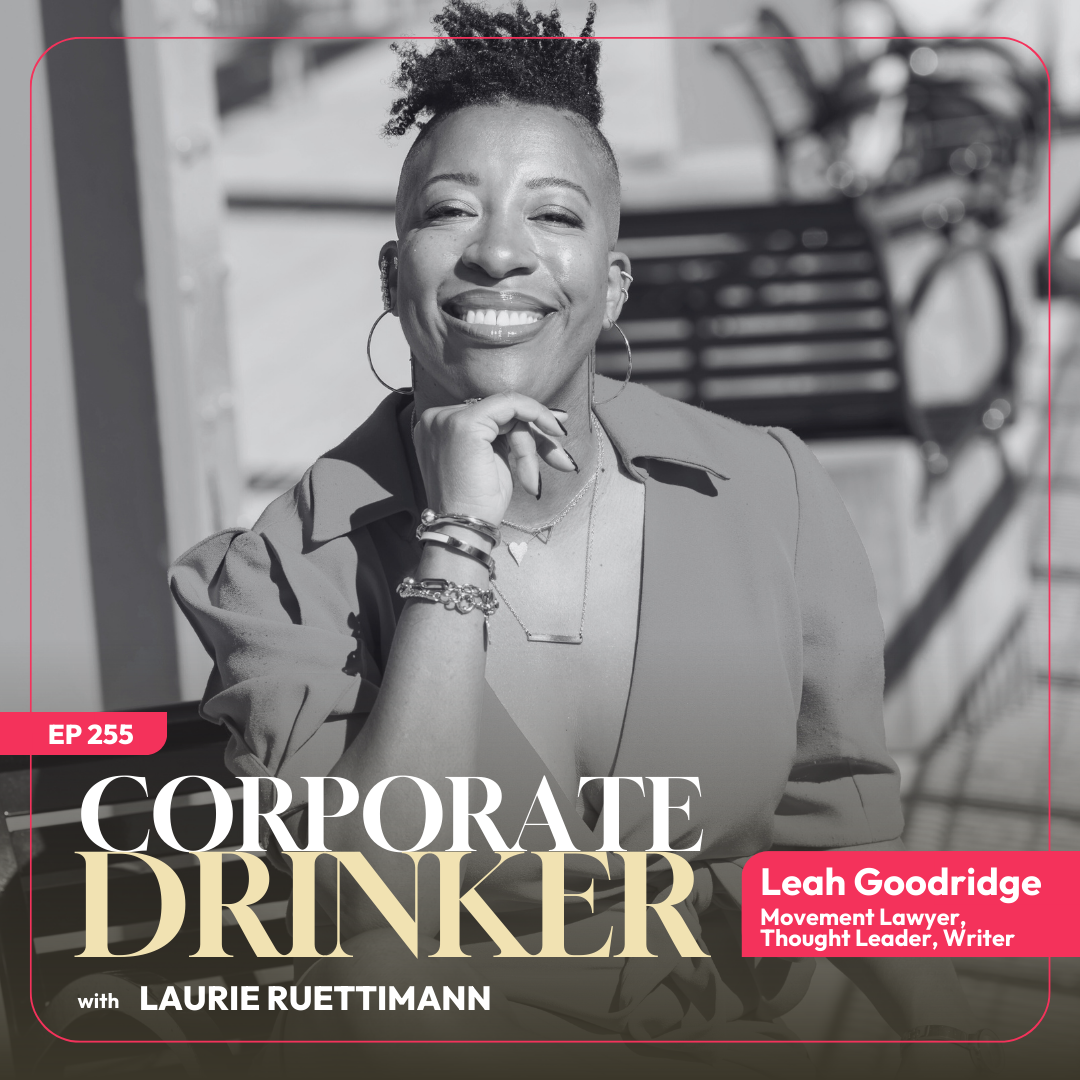
  • 255: The Problem with Corporate Happy Hour with Leah Goodridge

    255: The Problem with Corporate Happy Hour with Leah Goodridge

    Have you ever wondered how unseen forces of elitism might drive the dynamics of your workplace?

    Join us as we sit down with the remarkable Leah Goodridge, an attorney and city planning commissioner from Brooklyn, New York, who has some thought-provoking insights to share about this very subject. Leah draws our attention to the often-overlooked intersection of work and alcohol and how it contributes to a culture of exclusivity and perpetuates financial insecurity among young professionals.

    In our conversation with Leah, we venture into the labyrinth of workplace elitism, unearthing its subtle manifestations in after-work drinks, power lunches, and even the pressure to outperform. Further, we dissect the concept of dysfunction bonding, a complex issue where work becomes an escape from personal problems, leading to unhealthy dynamics. We delve into the delicate balance between sharing insights and gossiping and how it can create a sense of inequity. Leah also brings to light the undue pressure on marginalized groups to constantly prove themselves, adding another layer to this intricate matrix. 

    Prepare for a riveting conversation that promises to broaden your perspective on the reality of workplace dynamics and equity.

    In this episode, you will hear:

    • Leah Goodridge, a legal warrior advocating for housing justice in Brooklyn, New York, shares her thoughts on the intersection of work and alcohol
    • The hidden nuances of workplace elitism and how it’s entangled with after-work drinking and power lunches
    • Uncovering the reality of financial insecurity among young careerists and the unspoken inequities in professional spaces
    • An examination of dysfunction bonding in the workplace and the fine line between gaining insight and fostering gossip
    • The pressures faced by those from marginalized groups in proving their worth at heightened levels
    • How the culture of after-work drinks can perpetuate workplace inequalities and marginalization
    • The role of alcohol in fostering an unhealthy work culture and perpetuating sexual harassment

    Resources from this Episode

    Leah Goodridge’s website: www.leahgoodridge.com

    Find Leah on Twitter:  twitter.com/Leahfrombklyn 

    Connect with Leah on LinkedIn: www.linkedin.com/in/leah-goodridge 

    Follow and Review:

    We’d love for you to follow us if you haven’t yet. Click that purple ‘+’ in the top right corner of your Apple Podcasts app. We’d love it even more if you could drop a review or 5-star rating over on Apple Podcasts. Simply select “Ratings and Reviews” and “Write a Review” then a quick line with your favorite part of the episode. It only takes a second and it helps spread the word about the podcast.