Author: Laurie Ruettimann

  • My Leadership Philosophy After 30 Years of Work

    My Leadership Philosophy After 30 Years of Work

    My Leadership Philosophy After 30 Years of Work

    By Laurie Ruettimann

    I’ve spent more than 30 years working in and around organizations. I started as an HR assistant in the mid-1990s, worked my way through union environments and large corporations, and eventually left traditional leadership roles to write, teach, speak, and coach full time.

    Today, I’m a writer, speaker, and career coach. I focus on leadership, work, labor, and career ownership. I teach millions of learners through LinkedIn Learning, deliver keynote talks for organizations navigating change, and coach professionals who want more agency over their working lives.

    Across my books, courses, blog, podcast, coaching work, and keynote talks, I return to the same set of beliefs. These aren’t slogans. They are conclusions formed through experience, mistakes, and long observation of how work actually works.

    What follows is my core philosophy.

    Your work is not your worth.

    Work matters. It deserves care and effort but it isn’t a measure of human value. When people confuse performance with identity, they tolerate bad treatment, stay too long, and make decisions rooted in fear. Separating worth from work is the foundation of any healthy and successful career.

    No one can love your life more than you.

    Employers will make rational decisions in their own interest. Leaders will prioritize outcomes. Systems will move on. That is not cruelty. It is reality. You are the only person who can protect your time, energy, health, and long-term wellbeing. And if your life isn’t working out the way you want it, only you can change it.

    All adults are self-leaders.

    Leadership isn’t a title. It is the ability to direct yourself and take initiative. Adults who wait to be managed, motivated, or rescued struggle unnecessarily. Self-leadership means making choices with intention, even when the environment is imperfect.

    Emotional regulation is a personal responsibility.

    Work can be stressful, unfair, and destabilizing. That doesn’t absolve anyone of responsibility for their reactions. Leaders and professionals who can regulate themselves make better decisions, earn trust faster, and avoid escalating unnecessary conflict. People say, “What happened to you isn’t your fault, but healing is your responsibility.” Get out there and heal so you’re not triggered by banal and inconsequential things at work.

    If you’re learning, you’re growing. If you’re growing, you’re thriving. That’s the point.

    I’ve written about this for nearly twenty years. All learning is worthwhile. Careers stagnate when curiosity disappears. Learning keeps your judgment sharp and options open. Growth isn’t about constant upward movement. It is about staying mentally engaged with the world around you.

    A job worth doing is a job worth doing well.

    My father-in-law lived by this mantra, and it stayed with me long after his passing. Doing work well is about craft and pride, not self-sacrifice. Excellence isn’t performative. It doesn’t require overwork or a stage. It requires care, clarity, and boundaries.

    There are no great jobs, only great experiences.

    No role is perfect. No organization is permanent. Careers (and lives) are built through accumulated experiences, not idealized positions. When people evaluate work this way, they make smarter moves and cleaner exists.

    Hiring decisions are driven by familiarity, likability, and reciprocity.

    Hiring is rarely objective. People hire who they recognize, enjoy, and feel some obligation toward. Understanding this reality helps professionals invest their energy wisely instead of relying on merit myths that don’t hold up in practice. And it’s also a challenge: do the people making decisions really know you? If not, fix that.

    Stop networking with the same people. If your network could get you a job, it already would have.

    Most people network horizontally and wonder why nothing changes. Expanding opportunity requires meeting people outside your usual circles, industries, and comfort zones. Familiarity only works if it reaches somewhere new. If you’re looking for work, ask your network, “Who do you know who’s cool?” Go meet that new person.

    Stop failing in predictable ways. Do a premortem, spot trends, solve problems early, and fail in newer and more interesting ways.

    Most professional failure is repetitive and ridiculous. The patterns are visible long before the outcome. Leaders, individuals, and even job seekers who reflect early can avoid preventable damage and redirect effort toward better experiments.

    Live a big, interesting life outside of work. Then bring it back with you.

    Work benefits from perspective. People who read, volunteer, travel, create, craft, and care for others bring better stories into the workplace. A full life makes you more approachable, and it makes work more grounded.

    These are my beliefs, built over three decades, that shape how I write, teach, coach, and speak. They inform my leadership philosophy and my approach to career ownership. I don’t promise perfect jobs or pain-free paths in my book Betting On You. I help people develop judgment, agency, and durability.

    Today, I work as a keynote speaker, writer, and career coach. I speak to organizations about leadership and the future of work, teach practical frameworks through LinkedIn Learning, and coach individuals who want to stop waiting for permission and start leading their own careers.

    I share this philosophy to be useful. It isn’t aspirational. It’s lived experience. Use it to decide what’s next.


  • 300: The Reality of Work Tech in 2026 with Mary Ellen Slayter and Steve Smith

    300: The Reality of Work Tech in 2026 with Mary Ellen Slayter and Steve Smith

    This week on Punk Rock HR, I sit down with Mary Ellen Slayter and Steve Smith from Rep Cap to make sense of a market that feels confusing, uneven, and unforgiving. Why does the job market feel terrible even when the numbers say otherwise? Why are some companies thriving while others quietly struggle? And what does the rise of AI actually mean for work, marketing, and people strategy in 2026?

    Mary Ellen brings perspective from decades covering work, finance, and technology, explaining why uncertainty and lack of trusted data are making this moment feel especially destabilizing. Steve breaks down how years of cheap capital distorted expectations, why work tech has shifted toward capital efficiency, and why he remains cautiously optimistic about what comes next.

    We explore where innovation has stalled, where it’s quietly happening, and why the next chapter won’t be defined by hype but by fundamentals: investing in people, building real brands, and using technology to get closer to human needs rather than further away.

    If you’re navigating layoffs, hiring freezes, AI pressure, or big strategic questions about where to place your bets next, this episode offers clarity, honesty, and a grounded outlook on what the future of work may actually demand.

    In this episode, you will hear:

    • Why today’s job market feels brutal despite strong labor numbers
    • How AI hype differs from real innovation in work tech
    • Why VC-era assumptions are gone and what replaces them
    • Where private equity, consolidation, and M&A are reshaping the market
    • Why brand and long-term value matter more than short-term performance
    • Where optimism still exists for work, people, and leadership in 2026

    Resources from this episode

    Follow and Review:

    We’d love for you to follow us if you haven’t yet. Click that purple ‘+’ in the top right corner of your Apple Podcasts app. We’d love it even more if you could drop a review or 5-star rating over on Apple Podcasts. Simply select “Ratings and Reviews” and “Write a Review,” then add a quick line with your favorite part of the episode. It only takes a second, and it helps spread the word about the podcast.

  • Jamie Jackson: HR Leadership Worth Knowing

    Jamie Jackson: HR Leadership Worth Knowing

    Every year there are a few people in HR who grab my attention and don’t let go. Jamie Jackson is one of them.

    Why Jamie?

    I trust her judgment. I learn from her. When she speaks on the HR Besties podcast, I find myself nodding along, not because she is pandering to me, but because she is precise. Her point of view on work, labor, and the economy is grounded in reality. She names what is happening without lecturing or offering false optimism. Her direct communication style makes her extremely credible and, yes, funny as hell.

    Jamie’s HR point of view matters.

    What I respect most about Jamie is how seriously she takes the work. She is building a version of HR leadership that allows for personality without sacrificing standards. She shows that you can bring a more complete version of yourself to the job and still deliver exceptional, disciplined work. You can care about the mission of the organization and the lived experience of the workforce at the same time. That balance is rare. I was not able to sustain it in my own HR career. Watching someone do it well, and consistently, matters.

    Jamie has also earned trust through generosity.

    Through her platforms, she has created spaces where people can tell the truth about work without being punished for it. HR professionals get relief without cynicism. Workers feel seen without being pandered to. Millennials get nostalgia without mockery. None of that happens by accident. It takes taste, boundaries, and a clear sense of responsibility to the audience.

    Jamie is the self-proclaimed Chief Meme Officer behind Humorous Resources, Millennial Misery, and Horrendous HR.

    Her professional profile is here:
    https://www.linkedin.com/in/chiefmemeofficer/

    Her main hub, with links to her work and platforms, is here:
    https://humorousmiserymedia.site/

    Humorous Resources lives here:
    https://www.instagram.com/humorous_resources/

    and on YouTube here:
    https://www.youtube.com/@humorous_resources

    Millennial Misery is here:
    https://www.millennialmisery.com/

    You can hear her regularly on the HR Besties podcast here:
    https://www.hrbesties.com/

    She has built platforms that hold up under scrutiny. They are funny, yes, but they are also thoughtful and professional. That combination is why people listen. It is why her work travels. It is why her voice carries weight.

    Here is what still astonishes me.

    Jamie Jackson is currently searching for her next role.

    That should give all of us pause. She is based in Nashville. She can work remotely. She can get on planes. The fact that someone with her leadership instincts, cultural fluency, and earned trust is on the market says more about how HR evaluates talent than it does about her.

    There is a company that needs her leadership. There is an HR team that would be steadier, sharper, and more credible with Jamie in the room. People in this field need leaders like her not just for morale, but for judgment.

    This is not a recommendation from a fangirl. This is an assessment rooted in respect. Pay attention.

    The world of work is noisy and chaotic. Jamie is neither. Follow her. Learn from her. And when you see her at conferences or events, introduce yourself. Leaders like this are worth knowing.

  • Ready For More: Live Webinar On December 17, 2025

    Are You Ready For More?

    Most people wait for a promotion or a performance review to tell them it’s time to grow.

    You don’t need any of that because you already know it’s time.

    You need a reset, a plan, and the confidence to lead yourself into the new year.

    Join me on December 17, 2025, at 1 PM ET, for a practical, fast-moving live webinar that helps you step into 2026 with clarity and momentum. You’ll learn how to take ownership of your work, align your strengths with your team’s goals, make better decisions, and build a learning path that reflects who you are and what you want next.

    This isn’t hustle culture. It’s self-leadership. It’s agency. It’s getting ready for more.

    What you’ll learn:

    • How to lead from any seat
    • How to align your strengths and interests with your company’s goals
    • How to make clearer decisions with less noise
    • How to build a learning plan that supports your growth
    • How to take smart risks without burning out

    How to enroll:

    Fill out the form below. You’ll receive an invoice for $49. Once it’s paid, you’ll get the webinar link and details. If you enroll, you’ll get a video copy of the webinar and a summary of our key talking points.

    Why am I doing this?

    I’ve been blessed with the good fortune of having a long-term career surrounded by mentors and leaders who taught me important life skills. If you value my lessons and stories on LinkedIn, this is an accessible way to learn a little something new without the barrier of an expensive coaching program.


    [gravityform id=”6″ title=”true”]

  • Stop Posting On Social Media

    Stop posting your random thoughts and feelings to social media. It’s weird.

    I’m not saying that from a high horse.

    I’m saying it from the front seat of the same clown car. Who are you talking to? Who am I talking to? Why are we performing our loneliness in public like it’s a talent show? We wake up every day with the chance to feel grateful and grounded, and half the time we choose the dopamine machine instead. We choose fake community over the long, slow work of building a real one.

    Most posts aren’t a form of connection. They’re a confession. They’re boredom. They’re a soft cry for recognition that disappears down the feed in hours. The platforms know this. They need it. They’ve figured out how to turn your wandering mind into profit.

    We pretend our posts vanish into the ether. They don’t. They get collected, processed, analyzed, and weaponized. Meta even bragged about this to investors. Their AI scans everything you share, everything you write, and every photo you upload to build emotional profiles and push you into more content. They said it plainly. https://www.theverge.com/news/809349/meta-mark-zuckerberg-ai-social-feeds-q3-2025-earnings

    So, when you post that you’re exhausted or lonely, that’s no longer self-expression. It’s raw material. It’s a piece of your interior life being fed into a system that wants to predict your next move. They don’t care that you’re struggling. They care that you’re predictable.

    You are training the machine to know you better than you know yourself.

    People love to talk about AI being trained on copyrighted data. That’s true but incomplete. These systems are also trained on your social media history. Every like, share, and late-night doom-click. Every time you brag about a Peloton ride while quietly searching for cheap GLP-1 drugs in another tab. https://www.nytimes.com/article/meta-ai-scraping-policy.html?unlocked_article_code=1.1k8.VeLA.6X1as7eSxH49&smid=url-share

    You’re feeding the machine your brain. And you’re doing it for free.

    Meanwhile, the surveillance state isn’t a theory. It’s a business model. Look at the alliances between political actors and tech companies. Consider the amount of data already in motion. You don’t need to read between the lines when the lines are bold. https://www.nytimes.com/2025/05/30/technology/trump-palantir-data-americans.html?unlocked_article_code=1.1k8._IhN.ZEjnhqCSy0Cg&smid=url-share

    You’re being watched, nudged, and occasionally shoved by people who worry about population decline but panic even more about citizens with free will. They don’t need cameras in your home. They have your feed.

    And you are giving them backup systems.

    We strap more trackers to our bodies. We drive EVs with onboard GPS. We wear rings that report our sleep. We track our periods, steps, and stress. We quantify everything, then act shocked when someone wants the data. https://healthjournalism.org/blog/2025/07/rfk-jr-wants-us-all-to-wear-health-trackers-will-it-work/

    Combine that with your public posts, and you get something dangerous. Any government with enough information can legislate your behavior. They can predict your choices. They can shape your incentives. You don’t need imagination to understand that. You only need a browser.

    People love to say, “Let them watch me. I’m boring.”

    You’re right. Your life is mid, and you are an underachiever who holds yourself back. But that’s irrelevant. Stop confusing insignificance with safety. AI researchers have been warning about the potential shortage of high-quality human data. When you post, you’re making sure the machine gets replenished. You’re being tracked because you’re data. Billions of data points stitched together into a society that’s easier to manage when it’s out-of-shape, distracted, or depressed. https://www.nature.com/articles/d41586-025-00288-9

    And yes, I’m in the mess with you.

    Yesterday I posted a video of Spicy, and you can hear my husband in the background saying we’re both addicted to Candy Crush. It made me laugh. It made me cringe. It also shows that I’m part of the problem.

    I’ve disabled everything I can between my devices and apps. But I drive an electric car that tracks my mileage and pings my location every time I recharge. I’m not off the grid. I’m barely off the sidewalk.

    How I justify this? Loosely. I will say, “At least I make money from social media. It’s my job.”

    What’s your excuse?

    None of this is cool.

    We are all dorks performing for strangers who don’t care. Even the best posts get shoveled into the same data furnace. That should make us angry. At the very least, it should make us more cautious.

    Here’s what I want you to read: If you use social media, be strategic. Teach something. Build something. Connect in ways that feel real. Or, if you insist on feeding the machine, at least get something out of it. Money. Not crypto. Not exposure. Not validation.

    But the deeper point is this. Don’t be a tool.

    Make it harder for the system to know you. Post less. Share less. Hold something back. Talk to your friends. Touch the real world. Give the algorithms a puzzle instead of a blueprint.

    The more friction we create, the slower the slide into a fully surveilled society. We could buy time for someone brilliant to find a healthier balance between evolution and oppression. I hope they show up soon. Until then, do the small human thing. Pull back from the void. Choose privacy over performance. Choose a life instead of a feed.

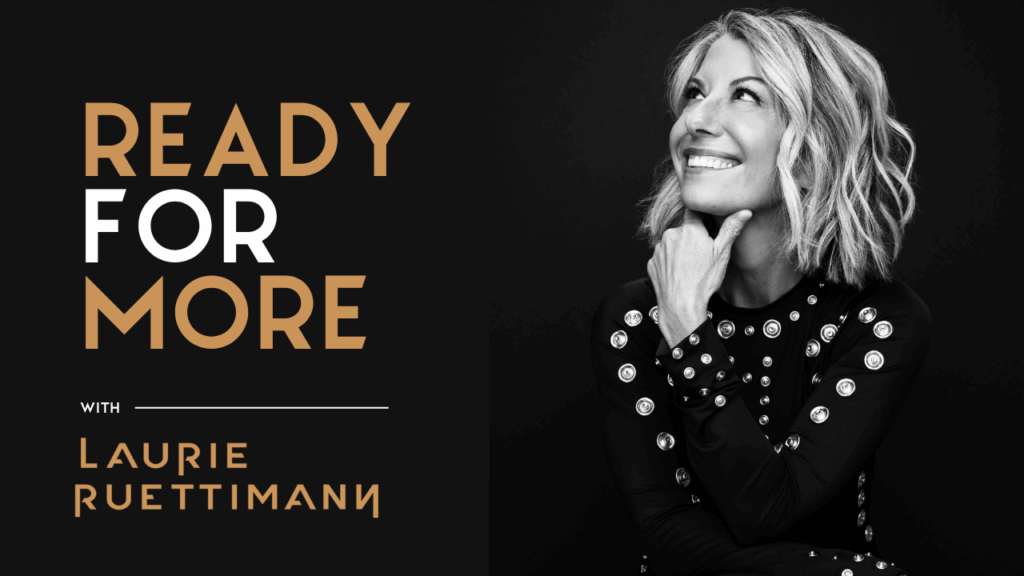
  • Ready for More: Leadership Keynotes for the Future of Work

    I’ve been giving a virtual talk called “Ready for More” to employees and leaders at learning events, lunch-and-learns, and sales meetings. It’s about taking ownership of your work, making wise decisions, inspiring others, and finding momentum in a world that won’t stop changing.

    I’ve shared it with Fortune 100 companies, tech firms, healthcare groups, nonprofits, universities, consulting firms, and HR teams. Every time, the conversation circles back to the same truth. People are tired of surviving. They want to feel connected to their work again. They want to grow without losing themselves.

    Now I want to take Ready for More on the road, which is a little scary. I’m a different woman than I was before the pandemic, and I’ve leaned into my role as an emcee and facilitator. I need some practice sharing big ideas on my own.

    Free IRL Opportunity with Me

    I’m looking for three opportunities to deliver the Ready for More message in person to real teams, in real rooms, with honest conversations. I’ll waive my speaking fee for these three events. All I ask is that travel and basic expenses are covered so I can show up, meet your people, and do what I do best: help leaders and employees think differently about what’s next.

    The old playbook of top-down decisions and rigid hierarchies is over. Doing things “because we’ve always done it that way” doesn’t work anymore. Today’s workforce is restless. People want purpose, clarity, and autonomy. They don’t want to be managed. They want to be trusted. The leaders who can adapt to this shift aren’t just running better teams. They’re shaping the future of work.

    That’s where Ready for More comes in.

    For Managers or Individual Contributors

    There are two versions of the talk.

    • The first is for leaders—VPs, directors, and senior managers—called Ready for More: Leading with Vision. It’s about building trust, aligning purpose with performance, and creating systems that support accountability and well-being. Leaders walk away with practical tools to connect individual strengths to business goals, foster adaptability, and keep momentum even when the market gets rough.

    • The second is for individual contributors, emerging leaders, and high potentials. It’s called Ready for More: Taking Ownership. It’s about leading from wherever you are, aligning your goals with the company’s mission, and making wise decisions without burning out. It’s not about hustle culture. It’s about self-leadership and building a career that reflects who you are and what you’re capable of.

    Virtual delivery is powerful, but something changes when you’re in a room with people. There’s a spark that happens when managers sit together, talk about what’s real, and remember why they lead in the first place. That’s what I want to do. Show up. Share stories. Have honest dialogue about how to lead and live differently.

    Let’s Do This

    If your organization is ready to bring this energy into the room, I’d love to hear from you. I’m taking on three in-person sessions this season at no cost beyond travel and expenses. You can email me using the contact form on my site.

    The next era of leadership isn’t about control. It’s about clarity, connection, and courage. Whether you lead ten people or ten thousand, the question is the same. Are you ready for more?

  • 299: The Human Cost of AI in HR with Scott Stratten

    299: The Human Cost of AI in HR with Scott Stratten

    This week on Punk Rock HR, I’m joined by Scott Stratten, speaker, author, and one of my favorite people to chat with about work. We recorded this conversation live on LinkedIn to explore AI in HR. Instead of diving into features or vendors, we looked at what AI adoption really means for people and organizations.

    Scott made a point that stuck with me: “If all you’re doing is following and enforcing policies and procedures, you will be out of a job in the next two years. 100%.” We talked about how HR’s value is not in information or administration. The value is in advocacy, relationships, and defending humanity.

    We also dug into the red flags: data security risks when uploading comp plans into AI systems, algorithms trained on stolen work, and the biases that come baked into these platforms. AI may promise efficiency, but it also brings risk. HR professionals need to be the ones slowing down the rush, asking tough questions, and using critical thinking.

    Scott and I also talked about universal basic income, return-to-office mandates, and the tension between shareholder demands and employee well-being. At the heart of it all, we agreed: HR must defend humanity. That is the real work.

    If you’re tired of the AI hype and want a grounded conversation about what matters in the future of work, this episode is for you.

    In this episode, you will hear:

    • Why AI bots in interviews strip away dignity from candidates
    • The red flags HR leaders can’t ignore: data leaks, bias, and copyright concerns
    • How companies use AI as a justification for economic cruelty
    • Why HR jobs are at risk of disappearing in 24–36 months without reinvention
    • What slowing down and doing a pre-mortem can teach us
    • How real-life connections and referrals still drive most hiring
    • The role of universal basic income in the future of work
    • Why HR’s value lies in advocacy, relationships, and defending humanity

    Resources from this episode

    Follow and Review:

    We’d love for you to follow us if you haven’t yet. Click that purple ‘+’ in the top right corner of your Apple Podcasts app. We’d love it even more if you could drop a review or 5-star rating over on Apple Podcasts. Simply select “Ratings and Reviews” and “Write a Review,” then add a quick line with your favorite part of the episode. It only takes a second, and it helps spread the word about the podcast.

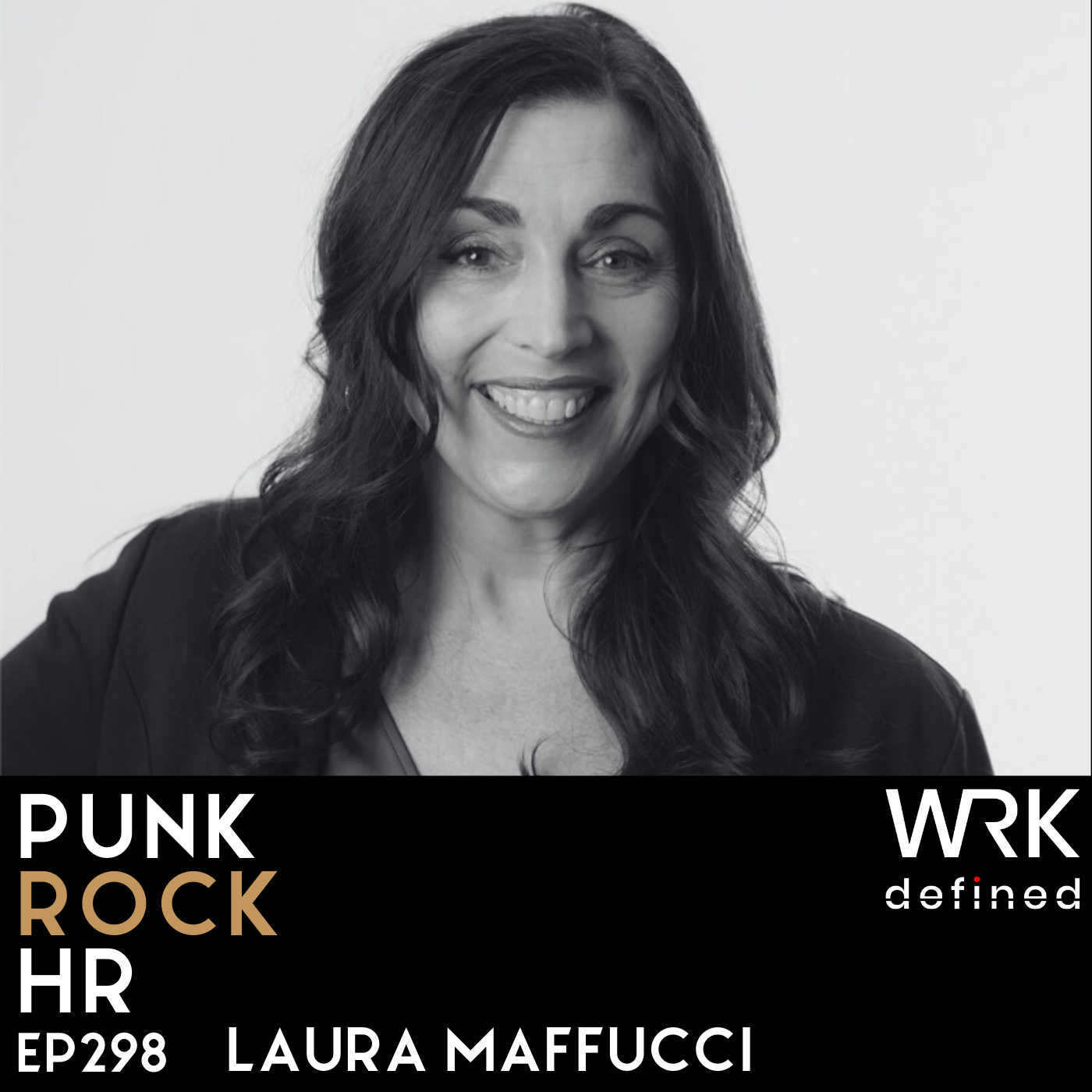
  • 298: Navigating AI and Global Work with Laura Maffucci

    298: Navigating AI and Global Work with Laura Maffucci

    In this week’s episode of the Punk Rock HR Podcast, Laura Maffucci, Head of HR at G-P, joins me for a conversation about the changing world of HR. We dig into how companies can expand globally with Employer of Record (EOR) solutions, and why AI adoption is both an opportunity and a challenge for HR leaders.

    Laura explains the difference between generic AI tools and “agentic AI” designed to give safe, compliant, and action-oriented answers in HR contexts. She talks about G-P’s own agentic AI assistant, Gia, and how it helps HR teams make smarter, faster decisions without sacrificing compliance or security.

    We also explore how HR’s role is evolving. While AI can automate repetitive tasks, the most human parts of HR—like leading through change and navigating messy people challenges—are becoming even more important. Laura shares practical examples of how G-P approaches AI adoption internally, from setting up an AI council and choosing safe enterprise tools to encouraging employees to share learnings in open channels.

    Finally, we touch on the risks of over-relying on AI, the pendulum swings of adoption, and why global talent strategies are increasingly central to growth. If you’re wondering how to balance innovation with responsibility in HR, this episode is for you.

    In this episode, you will hear:

    • How Employer of Record services work and why they enable global hiring without new legal entities
    • What “agentic AI” is and how it differs from consumer-facing AI models
    • Laura’s perspective on why HR roles won’t disappear in the age of automation
    • The internal steps G-P has taken to ensure safe and effective AI adoption
    • Specific HR tasks where AI can create value today
    • Why decision-making, empathy, and leadership remain uniquely human
    • The dangers of expecting AI to replace human judgment too quickly
    • How global hiring can help solve the skills shortage many leaders are facing

    Resources from this episode

    Follow and Review:

    We’d love for you to follow us if you haven’t yet. Click that purple ‘+’ in the top right corner of your Apple Podcasts app. We’d love it even more if you could drop a review or 5-star rating over on Apple Podcasts. Simply select “Ratings and Reviews” and “Write a Review,” then add a quick line with your favorite part of the episode. It only takes a second, and it helps spread the word about the podcast.

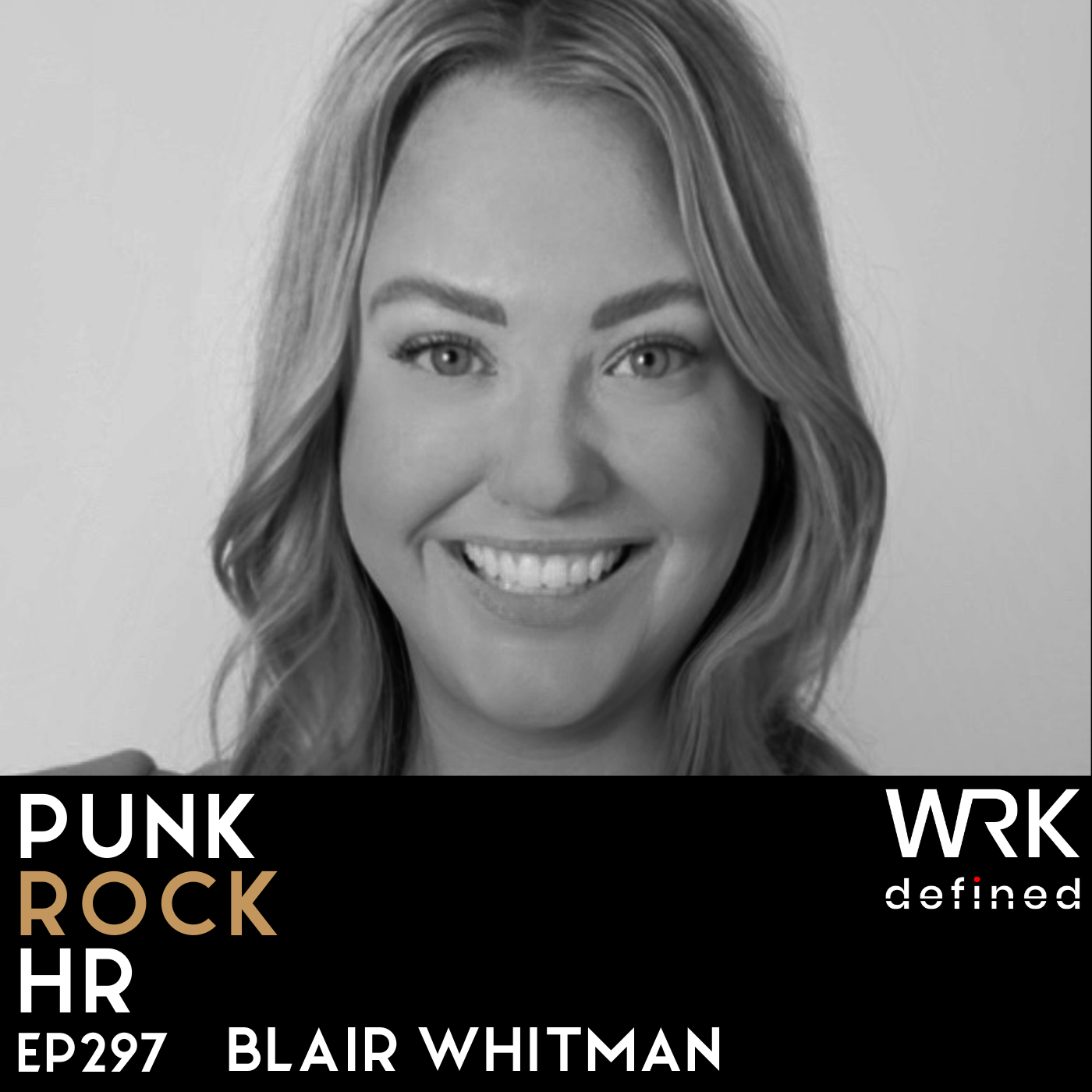
  • 297: Supporting Caregivers at Work With Blair Whitman

    297: Supporting Caregivers at Work With Blair Whitman

    In this week’s episode of the Punk Rock HR Podcast, Blair Whitman, VP of Client Success at Homethrive, joins me for a conversation about caregiving. Why is it so hard to name at work? How does stigma keep people silent about its challenges? What can employers do to meaningfully support their people? 

    Blair shares her personal caregiving story, from providing support to her brother during recovery to stepping in to care for her father at age 24, and how those experiences shaped her passion for this work. We explore the invisible financial, emotional, and professional toll of caregiving and why it’s no longer just a “nice-to-have” benefit but a workforce imperative. Finally, we talk about Homethrive and how it partners with HR teams to provide resources, guidance, and real help for caregivers navigating everything from IEPs and dementia to backup care, Medicare, and after-loss support.

    This episode dives into the real ROI of caregiving support, the role of managers in spotting early signs of struggle, and why modeling vulnerability at the top can transform workplace culture. As Blair puts it, “Caregiving is deeply intertwined with mental health. You can’t solve for mental health without solving for caregiving. You can’t solve for caregiving without solving for mental health.”

    If you’ve ever juggled caregiving with your career — or you lead people who do — this episode offers insight, compassion, and a clear call for action.

    In this episode, you will hear:

    • Blair Whitman’s personal caregiving journey and why she calls herself a lifelong advocate
    • The stigma around identifying as a caregiver and how naming it creates access to support
    • Why caregiving is a workforce issue, not just a personal one, and the massive impact on women’s careers
    • The crucial role of managers in noticing early signs of caregiving stress and creating psychological safety
    • How Homethrive helps organizations go deeper than EAPs with one-on-one support, Medicare navigation, and after-loss resources
    • Stories of ROI, from saved billable hours to reduced turnover, and why caregiving benefits are no longer optional
    • Why including men in the conversation matters, and how leadership vulnerability drives utilization
    • The joy in caregiving, like deepening family connections, resilience, and moments of beauty amid the challenge

    Resources from this episode

    Follow and Review:

    We’d love for you to follow us if you haven’t yet. Click that purple ‘+’ in the top right corner of your Apple Podcasts app. We’d love it even more if you could drop a review or 5-star rating over on Apple Podcasts. Simply select “Ratings and Reviews” and “Write a Review,” then add a quick line with your favorite part of the episode. It only takes a second, and it helps spread the word about the podcast.

  • The Price I’ve Paid for Visibility Online

    “If you were my wife, I wouldn’t let you do this job.”

    A friend said that to me in 2010. We were offstage at a conference, and I’d just shown him the emails I was getting. Vulgar, obscene, stomach-turning messages. He was horrified. This was fifteen years ago. We were younger, optimistic, and the business internet felt smaller. Back then, people still acted surprised by bad behavior online, even if we knew better.

    I rolled my eyes and said, “It’s a good thing you’re not my husband.”

    The web got worse

    Years later, the web is worse. Same perverted, disgusting messages. More ways to reach me.

    Why not quit?

    Over Labor Day, I thought about my career and how it’s grown alongside the internet. Here’s what I know: every step toward visibility—more LinkedIn writing, a book, videos—brings more harassment.

    I don’t blame platforms for the choices adult men make. Blame isn’t the point. The point is this: my job can be scary, and I’m often told my options are suck it up because “that’s showbiz,” or leave and do something more traditional and wholesome—or not work at all.

    How is that fair?

    Now that I’m older and more established, people wonder why I’m still online at all. Can’t I do something else? Why take on a job where men send disgusting photos and then get mad when you’re not emotionally available?

    The price of visibility

    The only answer is that I have work to do. I will not accept the internet’s terms and conditions as the price of admission. But there is a price.

    For example, I limit how companies “interact with my brand” to protect my sanity. People laugh when I say I don’t want to be on influencer lists. But those lists have consequences. In 2022, a vendor used an out-of-context photo of me without consent and dropped me on their “top 10.” Hours later, a stranger emailed: “I just came on your face and your tits.”

    That wasn’t the first message like it. Or the last.

    When I drew a line, people in my industry were jerks about it. While I don’t owe anyone an explanation, I said I didn’t want my image used for marketing without pay, which is reasonable. But many were still irked, as if that made me a snob. The truth is simpler: I didn’t want the double work of being harassed and then inviting copycats by talking about it.

    Some people shrug and say, “That’s the price you pay for being online.” No. That’s complicity.

    The working conditions

    This job can be dehumanizing.

    Since 2004, when I blogged anonymously while working at Pfizer, men have sent me audio files, video clips, and threats because I didn’t like their favorite athlete, actor, or band. My home address and Zillow link have been posted in Facebook threads. I was stalked in bars back when Foursquare was a thing. I’ve gotten DMs so foul I worried for my team. A recruiter once told me the Nazis were “very good at recruiting.” When I asked him to stop, he doubled down on Hitler’s ability to organize and told me that I might not understand because I’m American, not from Europe where he was based.

    Why I still do this work

    And yet, it’s the work I wanted. I prayed for this kind of role. Not because I believe in an intervening God, but because it’s good work and needs my effort. And it’s still better than working in human resources.

    I sat in synagogue this weekend and gave thanks—for stability, freedom, and purpose. I asked for wisdom. For maturity. For a voice that cuts through noise and helps people.

    But alongside the gratitude, I still get messages like, “Let’s meet up so I can eat your pussy.”

    Who would want a job like this? What rational person would stay online?

    Apparently, me.

    Why do it? Because I can offer pro bono coaching to people harmed by AI. I can advocate for universal income. I can go on television and talk about the human cost behind record profits and layoffs.

    That is the work. That is service. I am uniquely positioned to do this with integrity. Opting out isn’t my story.

    Boundaries, not emotional labor

    When I think back to my friend’s line from 2010, I give him grace. He wanted me safe. He wanted a world where I didn’t face this garbage just to do my job. I want that world, too.

    But staying home won’t build it. Being less visible won’t build it. And I’m not here to accept abuse or carry men’s emotional labor.

    I’m here to change the world. And I’m not fucking around.